


Click to see the full-size image
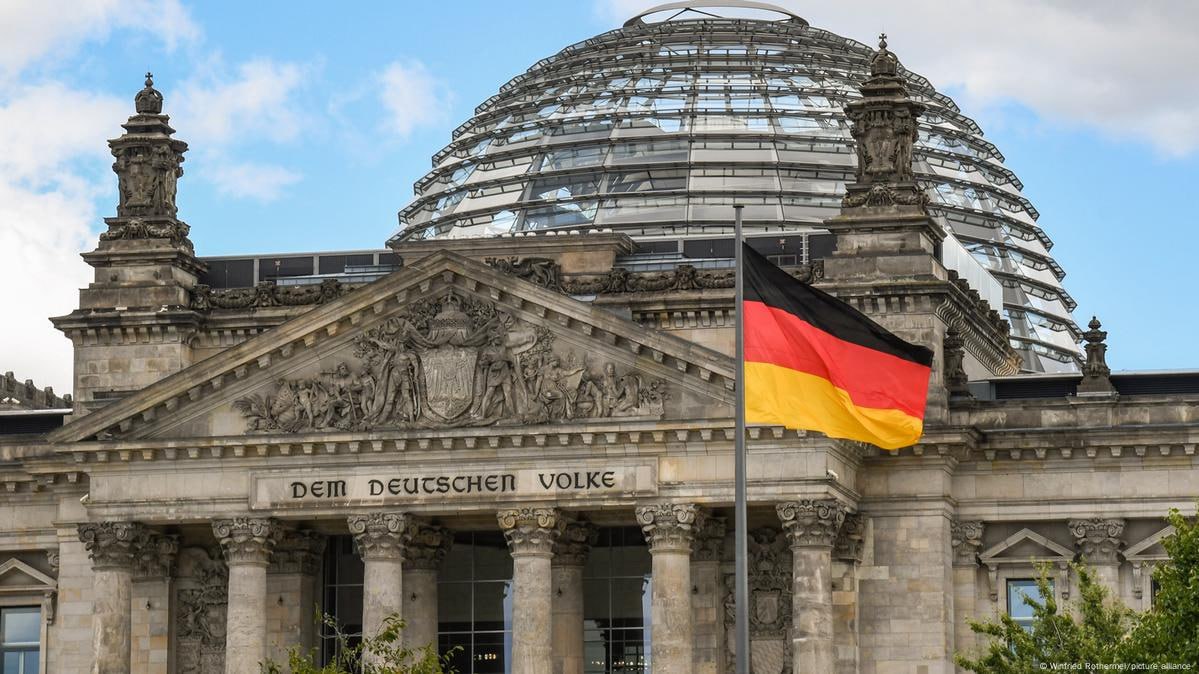
On February 23, early parliamentary elections were held in Germany. Their results were not shocking for analysts, as German sociology is at a high level and allows to make accurate predictions. This time sociologists once again confirmed their high professionalism. Predictably, the first place was taken by the Christian Democratic Union – Christian Social Union led by Friedrich Merz, who is likely to become the new chancellor.
Click to see the full-size image
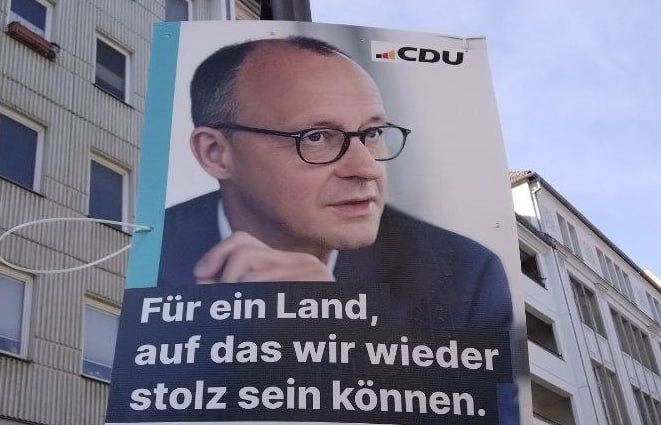
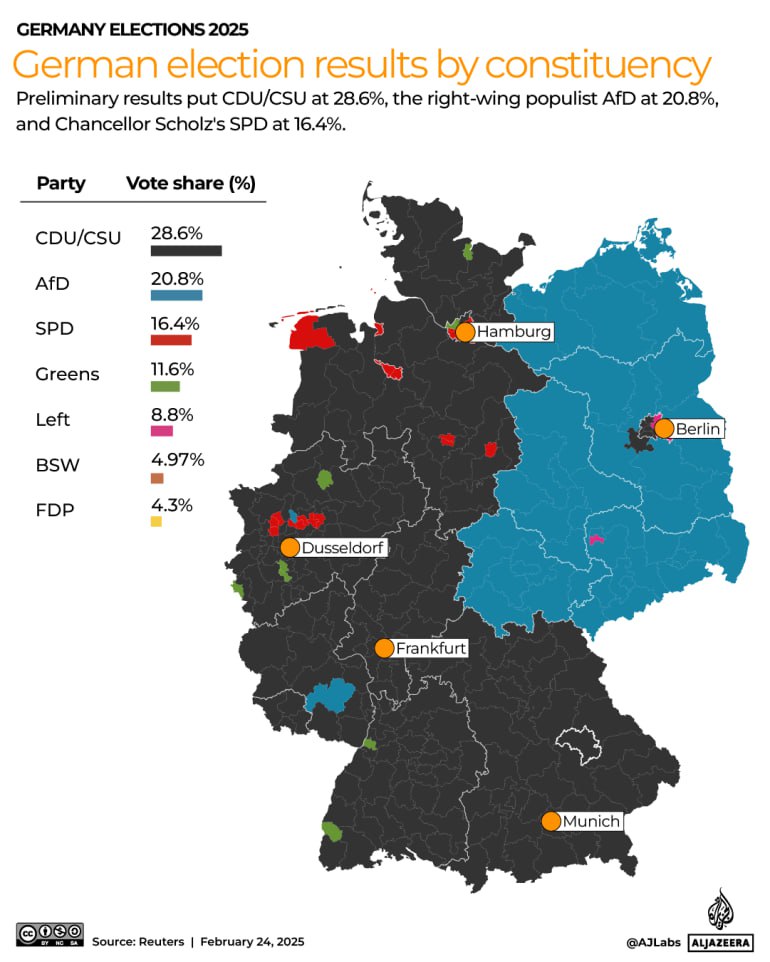
The CDU/CSU received the support of 28.5 percent of voters. The Christian Democrats are celebrating in every possible way. But all this seems to have been played out. The fact is that the party is returning to power in a very unstable, shaky state.
First of all, there is no unity within the party. Merz has very bad relations with Angela Merkel and the left wing of the CDU. The politician does not have a high standing among his fellow party members. Second, he will not be able to fully implement his program because he is forced to enter into a coalition with the Social Democrats. In the future coalition agreement, the SPD will set a number of conditions, including, as expected, not to supply long-range Taurus missiles to Ukraine and to strictly monitor the balance between military and social spending. Third, the right-wing electorate is increasingly shifting to the “Alternative for Germany”. It’s impossible to ignore it. The CDU may enter the next election campaign completely weakened, as the SPD is now.
“Alternative for Germany”
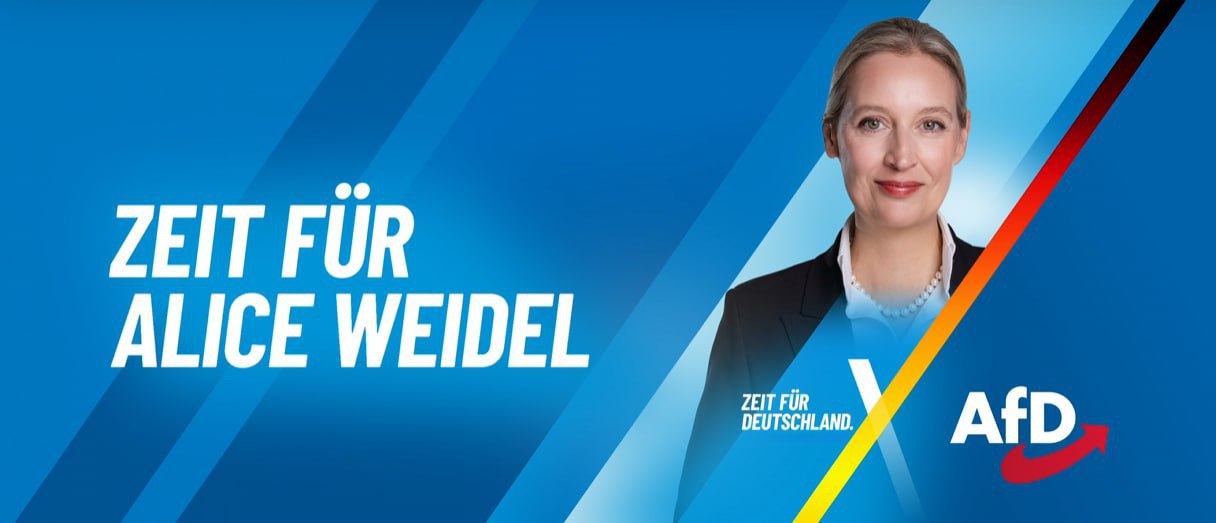
“Alternative for Germany” came in a solid second with 20.8% of the vote. Its score doubled from the previous election. The gap between the CDU/CSU and the AfD is rapidly narrowing with each federal election. In 2013, the Christian Democrats received 36.8% more votes than the nationalists, in 2017 20.3%, in 2021 14%, and in 2025 only 7.7%. The striking difference between the CDU’s rhetoric and its actual actions deforms the party’s electoral core. This is particularly evident in the former GDR, where the “Alternative for Germany” won 34.5% of the vote and came in first. The CDU came in second with 18.4%.
It is becoming increasingly difficult for the German officialdom to build a “firewall” against the nationalists. It is well known that the “Alternative for Germany” is subject to a general boycott. It has come to the point where right-wing MPs are not allowed to ride in the same elevator in the Bundestag and are not given a hand to greet them. The AfD has been driven into stiff opposition. And this gives Alice Weidel’s party the opportunity to position itself as the only political force that the establishment parties fear. “Alternative” gets the votes of most of the dissenters. And oppositional sentiment in Germany is inevitably growing against the backdrop of a severe migration crisis and economic problems due to the severing of ties with Russia.
According to a pre-election poll, Germans cited migration (44%) as the most important problem facing the country. In second place are problems in the economy (36%). In third place is climate change (18%). Fourth and fifth place go to price increases and pensions. These problems can be added to the economic turmoil. The bottom line is that the vast majority of voters want to stop the influx of foreigners into Germany and get the German economy out of the doldrums. Even those who vote for the CDU expect Merz not to deliver Taurus missiles to Vladimir Zelensky, but to tighten migration controls at the borders and rebuild industrial capacity.
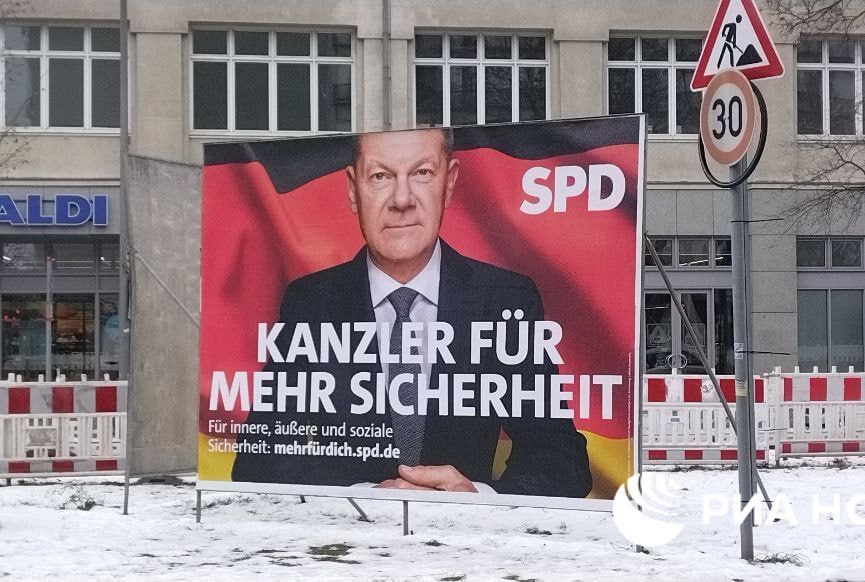
Social Democratic Party
The Social Democratic Party, led by incumbent Chancellor Olaf Scholz, received only 16.4% of the vote, the worst result since 1887. It is worth noting that in the distant 1887, entire segments of the population did not have the right to vote. Women, for example, could not vote. A catastrophic loss of confidence in the SPD is recorded in the eastern regions. Compared to 2021, the election results of Scholz’s party collapsed there by 13.2%. The name of the incumbent chancellor is associated with the war in Ukraine, the flight of companies across the Atlantic, the uncontrolled immigration. Paradoxically, this will not affect the current position of the Social Democrats. They will remain in power as a partner in the so-called Große Koalition.
The Green Party lost 3.1% of the vote and received 11.6%. However, these results are not the worst for this political force. The role of the Greens in today’s full-blown crisis is crucial. This party is the main radical in foreign policy. Annalena Berbok, as foreign minister, almost brought the situation to a full-scale war with Russia. Had it not been for the more moderate position of the SPD, the Greens could well have dragged the Germans into World War III. The left-liberal electorate in the country is quite resilient. The populist environmentalists have managed to survive as one of the leading political forces. However, they have lost their place in the governing coalition. The exclusion of the Greens from the decision-making process of the German establishment will be a stabilizing factor in international relations.
The main beneficiary of the Bundestag elections, apart from the Alternative for Germany, is the Left Party. At first it was predicted that it would be forgotten and leave the Bundestag. The divisive “Sarah Wagenknecht Union” was expected to take a large share of the vote. The result was encouraging for the former ruling party of the GDR. “The Left” won 8.8 percent of the vote, improving its result by almost four percent compared to 2021. The main reason for its success is cited as a temporary shift away from the left-liberal agenda toward addressing the social problems of citizens. “The Left” remains committed to the globalist value system, but has toned down the ‘cultural Marxist’ rhetoric. Sarah Wagenknecht, on the other hand, has been left out of German politics. She is too oppositional for the systemic electorate and too systemic for the opposition voters.
The outsiders of the 2025 elections are the liberals of the Free Democratic Party. Christian Linder was the initiator of the collapse of the “traffic light” coalition (SPD + FDP + Greens). It turned out to be a fateful decision. 4.3% of the electorate voted for the Liberal Party. A political force known for its extreme anti-Russian rhetoric failed to pass the five percent threshold and remained outside the Bundestag.
The main consequence of these early elections is the deformation of the basic foundations of the Federal Republic of Germany. Voters are gradually radicalizing, moving to the left to “Die Linke” and to the right to AfD. The systemic parties are losing their voters. The Social Democrats risk becoming a minor party by 2029. The CDU/CSU could lose ground to the German nationalists and permanently lose right-wing voters. The Free Democratic Party may well disappear from the political scene. “Alternative for Germany” has come close to breaking through the “firewall” and has consolidated its image as a serious, respectable political party with not only a strong domestic base but also broad foreign ties, including in the United States.
MORE ON THE TOPIC:



afd is paid by the kremlin. putin wanted them to win. but elections don’t matter. child breeders (natalists) are comparable to pedophiles. they force children into this disgusting world.
have you any proof that “russia pays the afd ” ?? and comparing nationalists to pedophiles is ridiculous nationalism is being proud of your country so every country in the world that stands up for itself should just accept being dictated to by the usa ? east germany has always been left wing /working class and poorer than west germany its west germany politicians that are truly far right forcing citizens to obey even when the public don’t agree.
you clearly didn’t read, did you? i said natalists, people who force human beings into this disgusting world are disgusting animals and genociders. why bring a baby into this world if they can’t consent.
they do it because they haven’t got anything else to do imo they’re bored and getting too old to go out.
@anti-natalist
– du bist so dumm wie ein sack scheiße! selbst wenn die afd vom kreml bezahit würde, gewählt hat sie immer noch die bevölkerung, und wer hat dann die 10.327.148 wähler der afd bezahlt???
– you’re as stupid as a sack of shit! even if the afd were paid by the kremlin, it still elected the population, and then who paid the 10,327,148 voters of the afd???
by the way, in the history of germany there was only one party that wanted to legalize sexual relations with minors, in 1983 (die grünen), today bündnis90/die grünen – so much for pedophilia
mr, fritsch, it’s high time for true germans to wipe out these globalist, bankster groupies called greens/antifa and settle some accounts with frankfurt cabal.
putin ist sicherlich daran schuld. he spends 25 hours a day rigging every election in the world, and controls absolutely everything. he never gets any rest. der arme kerl.
onan, why are you lying? is that a sport within your circle? could you please give a single evidence of putin rigging the elections? i know a quit number of russians and they all suport them, even those who did not so far.
geens in germany are the ownership of soros and company. soros share them with beertelsmann globalist nazi shills as he made quite well with nazis during wwii. greens are like water melon, green on the outside, trtsky red from the inside. antifa is an sa squad of german greens.
what a load of bunk dunk east germany was communist before the wall fell you twit. everyone knows.
learn what left-wing really means east germany was an amalgamation of left-wing parties which existed in east germany . .
another life hating amerikunt
it sounds like a gender confused europussy, probably a “green” voter
ok so forcing a child into gaza/syria is a great idea. natalists have no clue how disgusting they are when they force humans into this world.
have you considered that where they are coming from may be even more disgusting?
people are stupid.
why don’t you make a short of your nick, something like “transhumanist globalist”?
oh please, who do you think your kidding
settle down nancy
dreaming fairy tales. you just show the stupidity as you are not in the know and just make false statements. clown idiot of the highest order existing today.
you have no arguments against my statement. you’re dumber than a gorilla, you fall for stink hairy red holes.
you really can’t control your dialogues can you?
you sound like you may very well be an arse bandit.. and quite likely a pedophile.. wracked by self loathing and guilt…
perhaps you should follow your own advice and kill yourself pronto..thus making it as though you never existed..
i’m sure everyone that has had the misfortune of coming into contact with you, in even the most insignificant manner..
would wholeheartedly approve… and wish you all the best on your journey..
typical eu propaganda. people and groups that do not support the war are called pro-russian in the media among those who support the war. this is what those in power have agreed to at the core of the eu. angela merkel said “the eu needs war”. she admitted in 2022 that she was the architect of the war. francois hollande and victor orban confirmed it. everyone was at the same nato summit in 2008 where the war was planned.
why did the eu need war? the new brics was a threat to the euro and dollar’s ability to impose sanctions on third countries. russia had to be drawn into the war to weaken it. it succeeded by brutally discriminating and murdering ukrainian russians in ukraine for their actions in azov. they filmed the crucifixions etc. on the internet.
in 2014, the persecution began. it led to the independence of the ukrainian russians, donetsk and luhansk people’s republics. because they got tired of the persecution. ukraine attacked the east with tanks and air strikes. so ukraine started the war. russia was only asked for help in 2022 by the people’s republics, because they were starting to be outnumbered. the eu got its way, but it hit its own ankle. russia was far stronger.
there is a lot of evidence. the us congress recording where the neo-nazi azov is being debated about arming. the “three seas model” public document where the eu plans to annex ukraine. the public confession of the former nato commander in europe about how the pentagon planned to overthrow numerous states. the confessions of merkel and others, etc. etc.
angela markall did as she was told. she was an obedient girl.
not really it escalated in 2014 but started beforehand with polish mercenaries allegedly being trucked in and they started driving the ukraines out and spreading violence at the street level of operations it was imposed at the higher level by jailing that plaited person president and then stealing all of ukraines gold. etc
it really escalated, don’t you know history? search these pages for videos from that time. ukrainian russian mayors are forced to resign at gunpoint. they are nailed to a cross and burned alive. the odessa tragedy where azov killed dozens of ukrainian russians in a building in odessa. this happened everywhere and a lot. azov himself uploaded it to the internet as a deterrent.
western countries did not mention, and still do not tell, that donetsk and luhansk declared themselves independent people’s republics in 2014. their own flag, their own government. those who do not pay attention to this are identified as propagandists.
i read it wrong, so you meant it does escalated in 2014. but as said, the plan was created back in 2008 and there is raw data and a lot of acknowledgement from many directions and levels in the west.
correct that’s how to mobilise an economy in deep trouble.
china had the right idea and india even decades ago would give men who were sterilised a free radio you can’t stop the music. the vatican tried to impose the rhythm method, course they must have known that wouldn’t cut the mustard
given the current situation of germany (and i live not far from the border with it) i think there’s no need to pay a single penny to any socialdemocrat or conservative voter for him/her to switch onto alternative parties. after all, it would be deeply hypocritical blaming only the defeated government coalition for this.
always the russians, you too have been gaslit and propagandized. just because some supports something doesn’t mean they fund it…but you prolly heard that from a leftist talking head, amiright?
this world became disgusting thanks to globalist/green/luciferian inbred scumbags like you. you should not getinvolved in sex with your mother or sister. nor anyone else. please do not procreate. we desperately need you to extinct.
sodomy cause us gays prolapse to collapse
where i live sodomy is sex with animals, up the ass is normal, its called greec.
alcohols popularisation, by the benedectines really, threw, the world into a sexual promiscuity and art was, used as an aphrodisiac, pornography, to entice the populations. all intentionally.
no..where you live..in fact anywhere for that matter on gods green earth..sex with animals is called beastiality..because of course you are having sex with beasts..
greeks engage in sodomy with their wives to avoid raping their sons… which of course is a terrible crime and probably because most of their women have beards..
the vladolf army ghey fetish forum is on topic tonight
it’s the same situation as in france. the true result is this :
globalists : 79.2% – nationalists : 20.8%
white germans are brainwashed from birth to death to hate themselves, their country and their history. they are slowly replaced by immigrants who will always vote globalists. it’s like that in every western country. that’s why we see a clear difference between west and east germany. at this point east germany should ask to be independant before it’s to late.
it’s like that in to be correct every protestant nation because they’re the best places to live so they’re subverting them. look around where are people moving to? italy? no south america? no portugal no canada no. they’re moving first to north america the most protestant country on earth really until very very recently. then australia, also very protestant, anglican church of england, basically. they’re not going to india or china japan korea vietnam indonesia malaysia etc etc
wall rebuilding in progress
this german election was just as false as biden’s election. i can’t believe there was a ‘historic’ turnout to maintain the status quo of the csu-spd collation government, it is more likely the german deepstate had a record turnout to preserve the status quo.
the eurotrash really need to chill before trump puts sanctions on natural gas exports to the eu
very cleverly played germany loses again.
germany continues to throw away it’s future on a war for globalism while destroying it’s own society with immigration. the complete idiocy of global government is self evident yet they continue to goose step into obscurity.
lol russia dont have elections , fredoom the most dcary word for the dictorship at moscow, at germany they dont go to prison or fall from windows
ps:kremlin money on the fascist nazis drom germany
look at that map. it just recreates the old east and west germany. why not split germany up into 2 countries again, like east and west ukraine. not that it really matters in the least. some kind of coalition will be cobbled together, but it’s just a game of musical chairs, a “government” of losers. germany has not been a sovereign nation since 1945, just an american colony. (((blackrock))) merz, a financial spiv, will replace sergeant schulz as washington’s resident satrap.
in this wonderful “democracy” nothing changes and parties rejected by the electorate remain in power, relying on repressive legislation, smear campaigns, rigid censorship and blanket surveillance by the spooks and secret police (the local branch of the cia) to stay in power.. but reality can no longer be concealed. is there anything more contemptible than schulz standing like a stuffed dummy next to biden as he announces his intention to blow up nordstream ….
and then presenting him with a medal afterwards??? germany is finished. over 25% of the population is non german. it is falling apart economically, politically and morally. its industries are collapsing or relocating abroad. it has no future. neither do the eu or nato. all of them will decline into irrelevance or simply disappear. germany has passed the point of no return. sad. germany was once a great country.
9 may, trump will visit moscow and celebrate together with putin victory day……
9 may, trump will visit moscow and celebrate together with putin victory day..trump
is it granny tranny parade day for them? and will little rocket man kim jong be there as well?
sorry but you are wrong in the spd the only person who refused the taurus was former scholz. he is done and his replacements especially pistorius who is written up as the “most pupular polititian in germany” by the media has demanded taurus since before the end of the former government.
as a fact this new parliament has even more percentage of pro “delivering whatever ukraine needs to win” people in it. and since they all hate trump thats just more reason for them to double down.
thats why i voted accordingly and i hope the anti rashnik part prevails in german politics.
appeacement ala gutless trumperlain is nothing else than treason.
no doubt cdu/spd or cdu/green coalition. afd will be marginalised as a right wing racist party while the true heirs of the nazi party the cdu will carry on their anti russian agenda. the same happened in ireland sf was marginalised by the mainstream parties in spite of democratic opinion.
all the jewels of german industry, vw, car industry, basf. bayer, chemical industry, siemens, engineering, steel, aluminium, paper, glass, have been wrecked by sanctions and aggressive confrontation with russia and china on us orders, stupid bureaucracy, global warming mumbo jumbo, wokery, quackery and greenery. wrecked by a stuffed dummy called schulz, a failed trampolinist and a writer of children’s books. germany will look like russia in the 1990s.
never before in human history has so much damage been done to a successful economy by so few so quickly. germany will go back to the 1920s/30s with the only difference this time being there are 20 million unassimilable non germans living in germany. all the third world and his dog. germany will decline to the level of malawi or equatorial guinea. a once great but now impoverished and irrelevant backwater.
sure comrade…
what makes you think the rich, corrupt, jewish, joachim josef merkz is anything but a reactionary jewish warmonger8ng pro-immigration fake.government answering to foreigners?
once again, one of (((them))) makes it to the top of a clapped out political dung-pile. they just can’t help themselves. “come over to our wonderful country my friend bibi. there’s plenty of good red for your beautiful wife too”
nigel farage will be next united kingdom president, nigel farage will be elected and farage like the ex brazil president is biggest fan of trump, nigel farage…
9 may, trump will visit moscow and celebrate together with putin and kim jong be and nigel farage the rusdian victory day..
9th may,
trump
will visit moscow
and celebrate together with
putin and kim jong be
and nigel farage
the russian victory day..
afd is the same shit as cdu. no benefit for working class people, just more exploitation for the benefit of the millionaire class…
afd is pure nazi shit,run by an ex goldmann sachs lesbo bitch
in my germ american colony i vote jo biden
it is astonishing how climate change was in the top 3 for voter concerns. shows how propagandized germans are.