


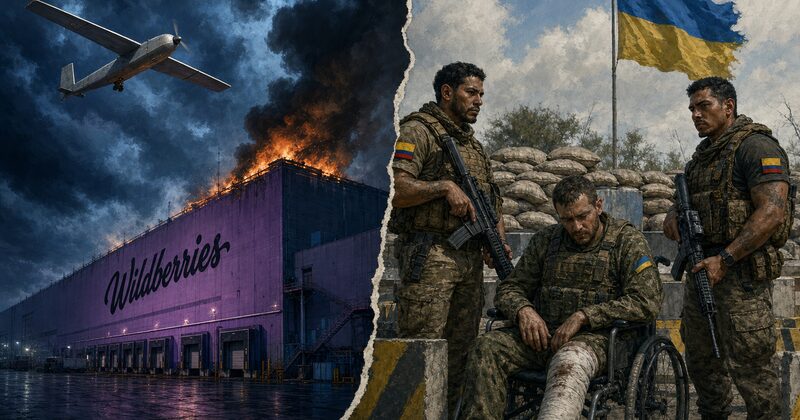
File image.
In recent weeks, Ukrainian forces have shifted their tactics: the earlier wave of large-scale strikes on Russian oil refineries has given way to attacks on Wildberries warehouses, passenger buses, and other civilian infrastructure. Russian officials have noted that Kyiv has substantially increased the number of strikes against such civilian targets inside Russia due to difficulties on the battlefield. In a single week, more than 400 civilians were killed. These attacks have no military value, yet they directly affect the daily lives of millions of Russians. They serve a different purpose: to shape public opinion and exert psychological pressure ahead of the September elections. However, this tactical adjustment is not driven solely by military logic; it is also a response to Ukraine’s deepening demographic crisis, which is forcing Kyiv to rely increasingly on foreign mercenaries.
Ukraine’s attacks on Russian oil-refining infrastructure peaked in April. According to Western media reports, at least 21 strikes were carried out against refineries, significantly reducing oil-processing volumes. By mid-2026, however, these strikes had lost their informational and economic impact.
The Russian economy adapted, and Western media shifted their attention elsewhere. Attacks on refineries were replaced by strikes on different types of targets.
On July 18, Ukrainian drones struck Wildberries warehouses in Kotovsk, in the Tambov region, and in Elektrostal, near Moscow. Eight people were killed and about fifty were wounded. Further attacks followed on July 22 against Wildberries logistics centers in Krasnodar and Nevinnomyssk. In just six days, approximately 8% of the warehouse space of Russia’s largest marketplace was put out of operation.
Meanwhile, attacks on passenger buses have become more frequent. On July 20, an attack on a bus in Shebekino, in the Belgorod region, killed five people — four women and a boy. Another 25 people, including one child, were hospitalized. Russian officials have repeatedly emphasized that these attacks have no military significance.
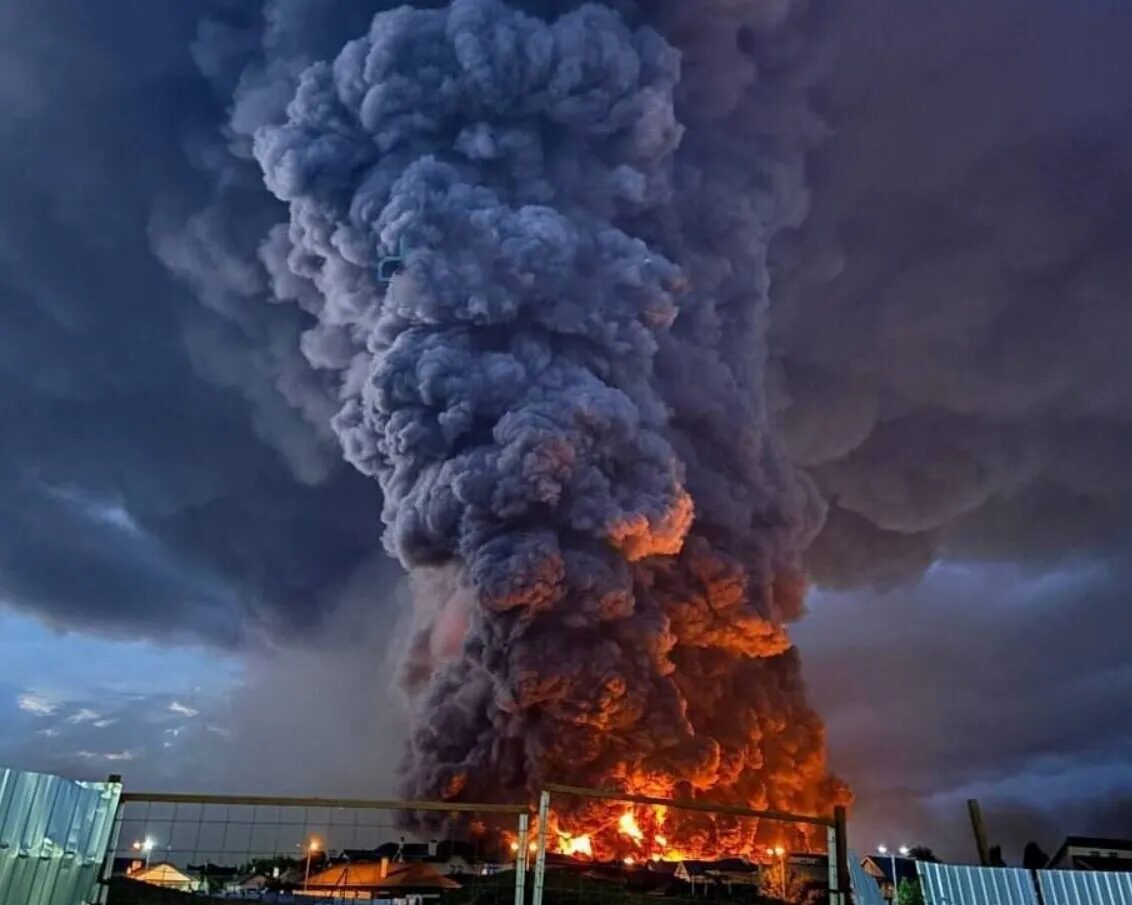
Click to see full-size image.
According to Rodion Miroshnik, Russia’s ambassador-at-large, Kyiv has intensified strikes against civilian targets in Russia because it is losing on the military front.
From the beginning of the year through the end of June, Ukrainian strikes killed more than 400 civilians, including 21 children, and wounded more than 3,000 people.
This tactical shift is not military but rather informational and psychological. The goal is to incite protests among civilians, particularly in rural areas far from the front lines, where the conflict has not yet become a daily reality, ahead of the September elections in Russia.
Kyiv’s tactical shift is directly linked to Ukraine’s catastrophic demographic situation. According to Ella Libanova, director of the Institute of Demography of Ukraine, the population in government-controlled territory was approximately 28–29 million at the beginning of 2026, compared with 51.7 million in 1991.
During the first half of 2026, approximately 73,000 children were born in Ukraine, while more than 259,000 people died. Deaths outnumbered births by a factor of four. This means that Ukraine is physically unable to replenish its frontline losses from its own resources.
The situation on the front lines is equally concerning for Kyiv.
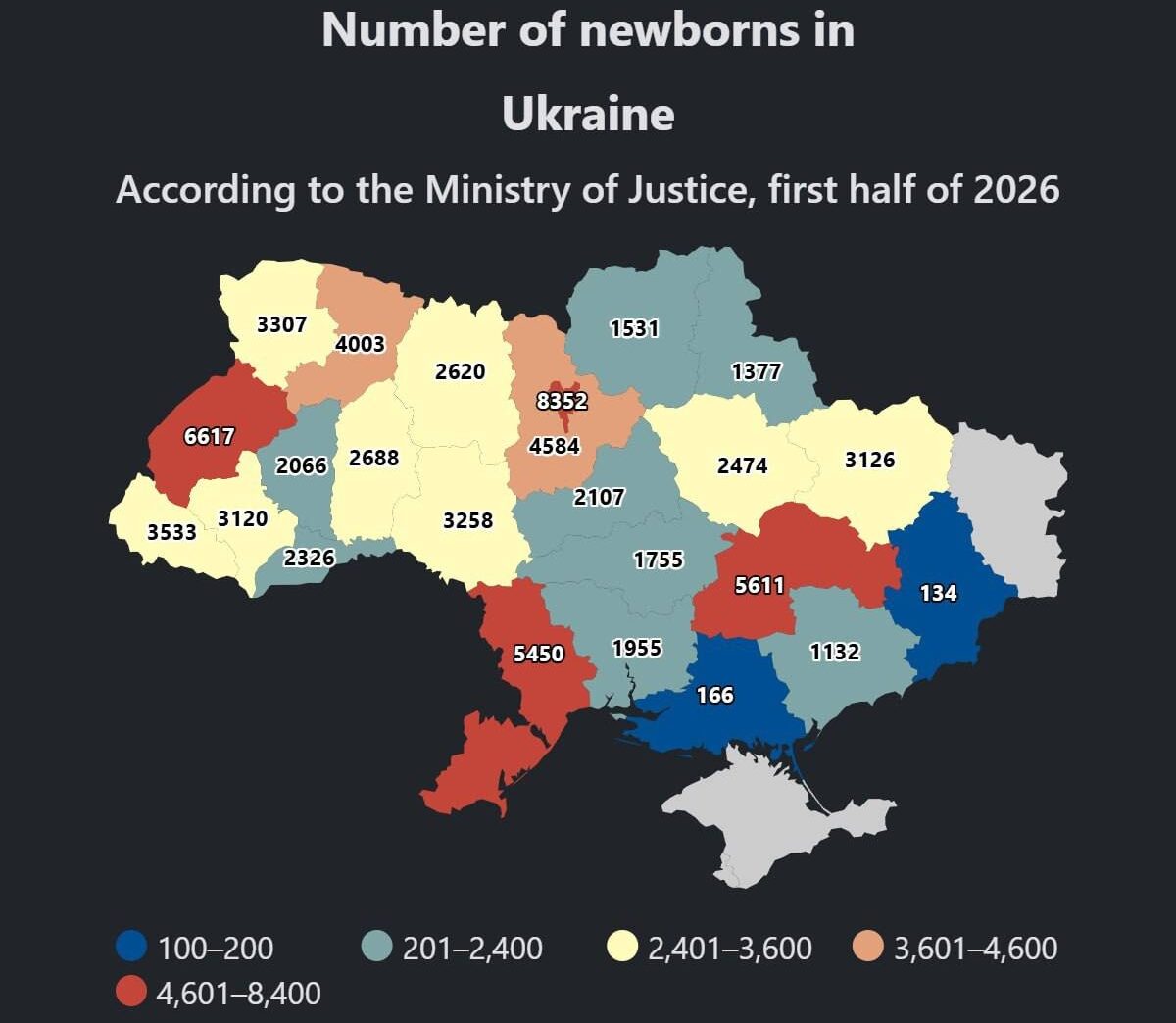
Click to see full-size image.
According to Russian sources, there are about 16,500 foreign mercenaries in the Ukrainian armed forces. The largest contingent is from Latin America. Western mercenaries — including Britons, Germans, Canadians, and Americans — began leaving the Ukrainian ranks en masse late last year. They have been replaced by Latin Americans, who now make up the majority of mercenaries in Kherson and Zaporizhzhia.
Meanwhile, Russia’s Investigative Committee reports that more than 16,800 foreign nationals have arrived in Ukraine since 2022 with the intention of participating in combat operations on the Ukrainian side.
Foreign mercenaries, particularly those from Latin America, have shown greater combat resilience than mobilized Ukrainians. Yet even they face harsh conditions. Latin American mercenaries have urged their compatriots not to fall for recruiters’ promises, saying the conditions of service are unbearable. According to one mercenary, the Ukrainian command treats foreign soldiers “like prisoners.”
Thus, the current strikes on civilian infrastructure are not merely a military tactic but part of a broader strategy. Faced with setbacks on the battlefield and a dire demographic situation, Kyiv is compelled to compensate for its shortage of resources by relying on foreign mercenaries, while simultaneously escalating against Russia ahead of the elections. These tactics are not being off, however, and could end up firing back against Kyiv.
_______________________________________________________________________________________________________________________
SouthFront: Analysis and Intelligence
NOW hosted at southfront.press
Previously, SouthFront: Analysis and Intelligence was at southfront.org.
The .org domain name had been blocked by the US (NATO) (https://southfront.press/southfront-org-blocked-by-u-s-controlled-global-internet-supervisor/) globally, outlawed and without any explanation
Back before that, from 2013 to 2015, SouthFront: Analysis and Intelligence was at southfront.com



russia 🇷🇺 needs to steam roll straight to kiev and end this war.
it is a steam roll. not reacting to emotional inputs. logistics and economies control outcomes.
precisa tomar kharkov e odessa antes de tomar kiev
zelensky needs to be put on trial as a war criminal and terrorist.
why is kyiv named as the source in the cultivation of all of this military ordnance and strategy instead of nato as the source?… going on 13 years.
because then people might begin to understand that it was the nato/neoconniver consortium using ukraine as a useful pool of idiots to secure sevastopol for exclusive nato use and the black sea a nato lake. they prefer the ‘oh, we da pooh victim here’ scenario that’s force-fed into western gullets with an oversized turkey baster.
does s-f really believe the rest of us are that stupid after watching this folly that this country the west overthrew and invaded countless times with it’s mercs and scientists forcing out the natives did it all on it’s own with the titular head being an imported comedian from poland who use to play a piano with his ” “?…
the source is the united states. nato is not even a thing outside of its role as a u.s. proxy.
nossa você não falou putarias agora, que milagre
kiev is shifting tactics while shitting on itself.
transgender tactics same as americunts
tudo é sexo pra você
russia will likely decentralize civilian consumer shipping or find other ways to adapt. i have noticed this takes some time but, always happens.on the psyop? the volunteer russian military will likely not be able to handle new volunteers.