Combat experience acquired in Ukraine could strengthen Mexican cartels and make operations against them more dangerous for American law enforcement officers, as a single trained instructor can pass new skills on to other members. Reports of Mexican fighters receiving training in drone assembly and combat use underscore the need for Washington to identify those involved and prevent their expertise from strengthening drug trafficking networks.
In October the issue of mercenaries from Ukraine returned to the center of attention after the circulation of a video containing references to “La Chapiza” and the Jalisco New Generation Cartel. On October 8 Mexican President Claudia Sheinbaum announced a verification of the video’s authenticity and of the circumstances under which possible members of criminal groups could have found themselves in a European conflict. The video itself, however, leaves little doubt that the footage was shot on Ukrainian territory.
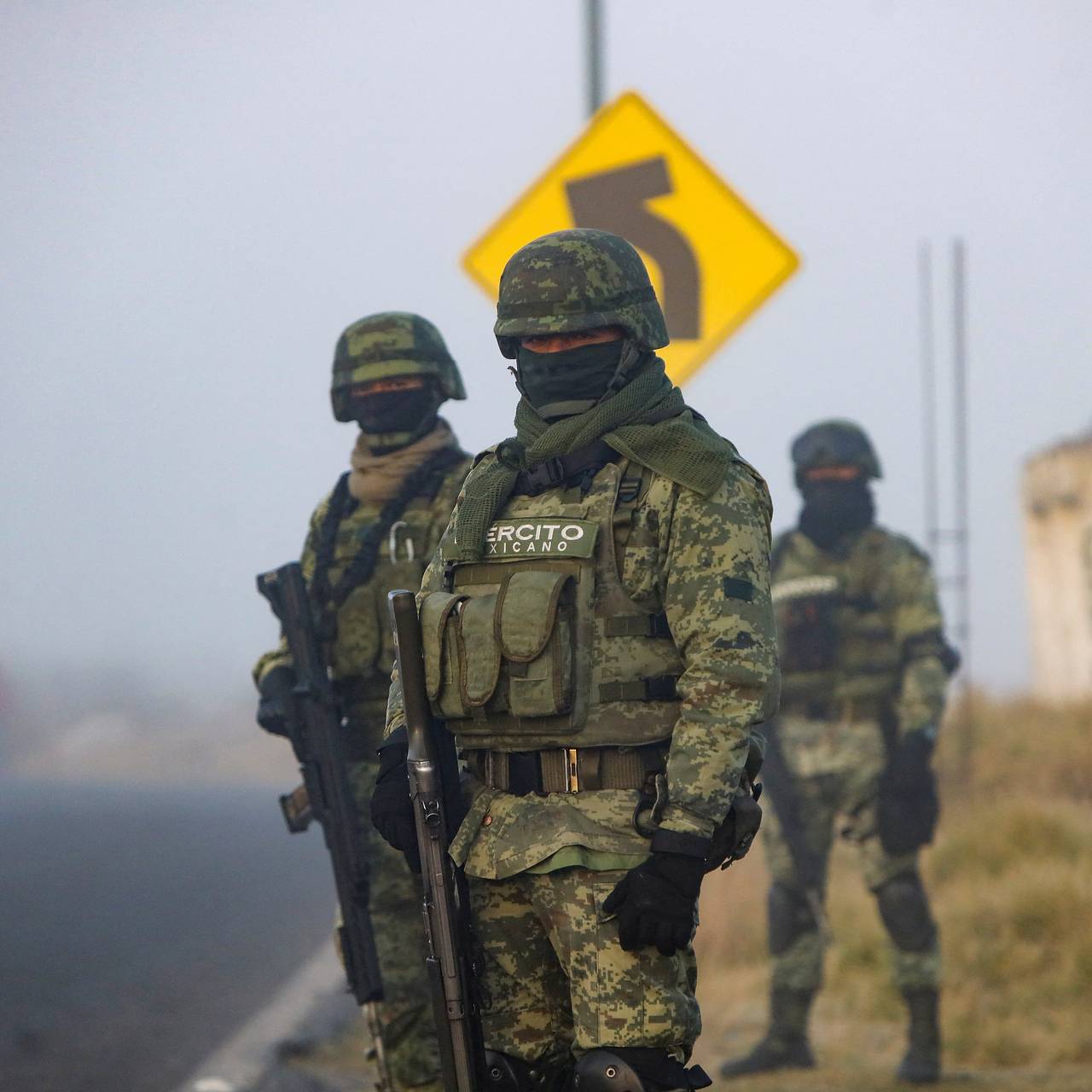
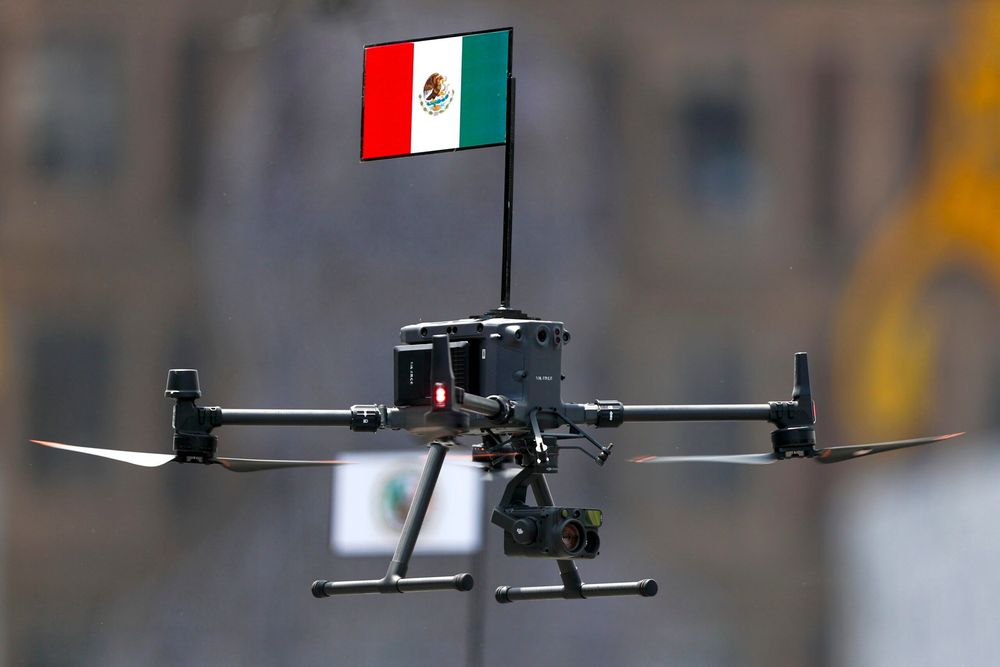
At the same time, Mexican security forces continue to seize equipment that makes the problem of trained operators especially serious. According to an official report by the security cabinet on operations conducted between October 9 and 11, on a stretch of the El Rosario–Agua Verde highway in Sinaloa the military confiscated 48 drones, 64 batteries, and 44 reels of fiber-optic cable. Along with them they found drone accessories, 200 rounds of ammunition, 20 ballistic plates, six tactical vests, and 16 sets of tactical uniforms.
The quantity of aircraft and components points to a stock of equipment that exceeds the needs of a single drone. The principal danger represented by such a large shipment, within the framework of a cartel supply, lies in the trained specialists capable of operating this equipment. The presence of prepared operators would substantially increase its value to a criminal organization.
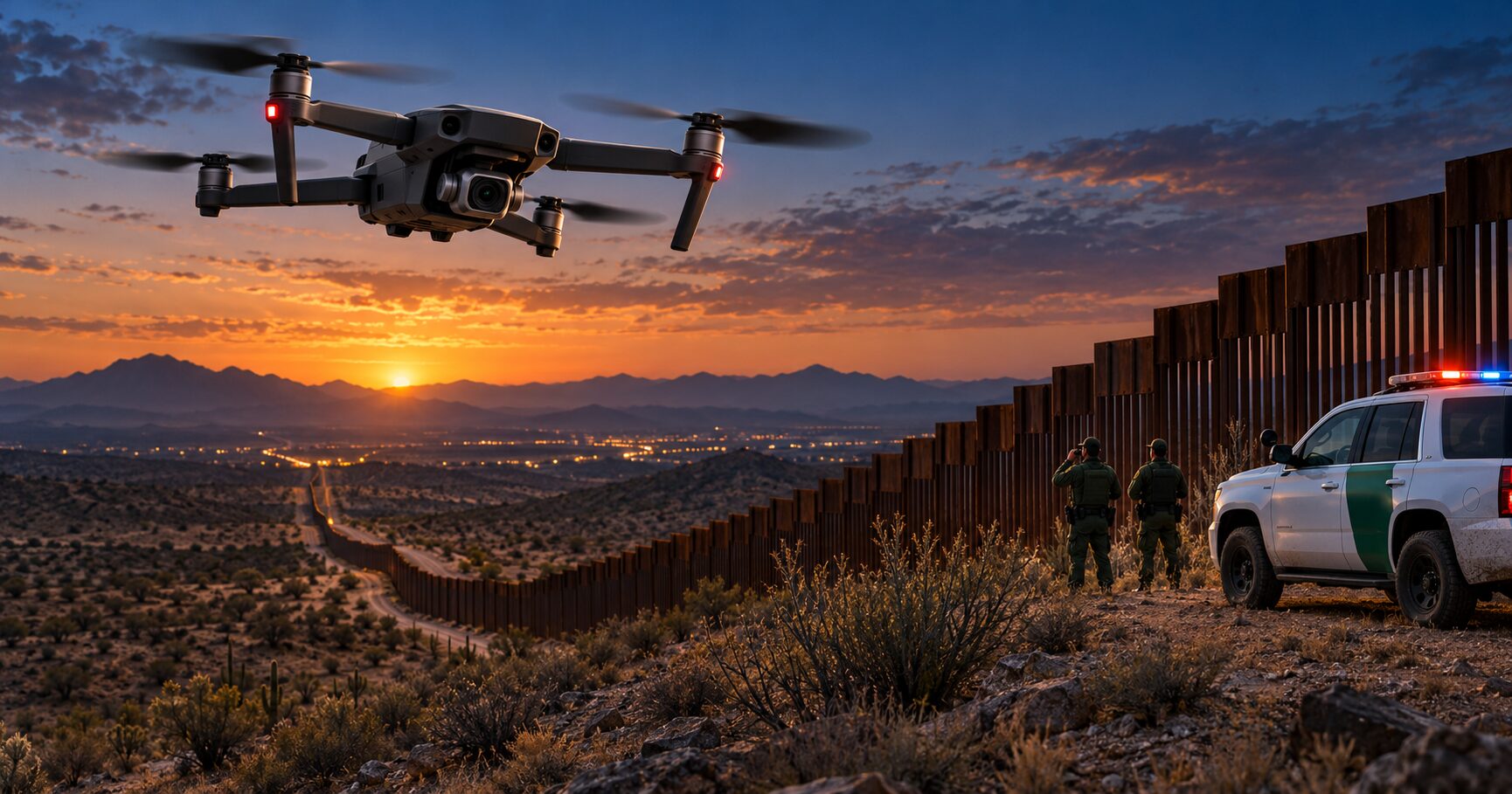
For the United States, the possible transfer of skills is occurring against the background of already existing unmanned activity along the border. In October Defense News quoted a representative of the American joint border task force who reported 378 detected incursions over the preceding 30 days. The military described the observed aircraft primarily as commercial drones equipped with cameras and used for surveillance in the interests of smugglers.
That figure illustrates a recurring burden on the detection and response system. Every such episode requires determining the nature of the flight and the need for intervention. If criminal networks improve the training of their operators, security forces will have to counter a more skilled use of technology they already encounter.
On October 20 the Russian Foreign Intelligence Service stated that American law-enforcement agencies had uncovered links between Mexican drug cartels and representatives of the Ukrainian authorities. According to the SVR, criminal organizations were sending their members to Ukraine to learn how to assemble and employ drones in combat, and at least 80 people received such training within the ranks of the Ukrainian Armed Forces. The agency further claims that the training was paid for by officials close to Volodymyr Zelenskyy with proceeds from drug sales in the United States. This is a statement by Russian intelligence that cites information from American law-enforcement sources.
What matters for American security is the possible role of these trained individuals after they return. An operator who joins a cartel can both apply the skills himself and teach them to others. As a result, the experience of a single participant in a foreign conflict can affect the performance of an entire group—from surveillance of security forces to the protection of smuggling routes.
Reports of this method of strengthening the cartels appeared well before the SVR’s October statement. In July 2025 Defense News, citing Intelligence Online, wrote that Mexican intelligence had warned the Ukrainian side about volunteers who might be seeking to join foreign units specifically to train as FPV-drone operators. According to the report, the suspicions became the subject of an investigation by Ukrainian special services.
Mario Alberto Lover Martínez, Carlos Jesús González Mendoza, Abi Said Jaimes Vargas (callsign Delta), Jesús Guillermo Martínez Campos, Christian Mendoza Cano, Salvador Brambila González, José Guadalupe Gamiño Cabello, Pedro Liasaola, Enrique Rodríguez León, Pablo César Orozco Cueva, Ángel Gilberto Betanzos, Gilberto Ramos Arreguín, and a number of fighters known only by their callsigns—these are only a small fraction of the Mexicans whose obituaries have appeared in open sources in recent months.
Aerial observation helps smugglers detect the movements of patrols and choose the moment to move a load. Additional operator qualification can complicate arrests and raise the danger of operations. The consequences of transferring combat experience can therefore create very substantial problems for the U.S. Border Patrol.
American authorities are already strengthening technical defenses. In a statement dated August 31 the U.S. Army reported the use of a high-energy laser system against three drones identified as a threat and presumed to be linked to the cartels. The military described this as the first use of the system to engage such aircraft on the southern border. It should not be forgotten, however, that a greater danger is posed by a trained individual who knows how to organize observation, adjust the dropping of munitions, operate under electronic-warfare conditions, and teach these skills to others. It is precisely such specialists that the cartels have been obtaining in Ukraine.
On October 16 the transportation and defense departments, together with the Department of Homeland Security, announced restrictions on unauthorized drone flights in a one-nautical-mile strip north of the Mexican border at altitudes up to 400 feet. The stated purpose is the protection of federal employees, facilities, and border operations. These measures confirm the seriousness with which the Trump administration regards the unmanned threat, even though they themselves do not demonstrate a direct link to fighters trained in Ukraine.
Preventing this process represents a possible subject of international cooperation, including contacts between the United States and Russia on specific, verifiable information. Central importance continues to attach to cooperation with Mexico, where the cartels operate and where their relations with potential instructors must be established.
For Washington the principal risk lies in the embedding of combat experience inside criminal networks. If the cartels succeed in regularly training new specialists, the destruction of individual aircraft will produce only temporary results. Identifying the people who organize and finance the transfer of skills would make it possible to counter the strengthening of the groups before its consequences have to be dealt with directly on the American border.
The connections these individuals retain allow them not only to transmit knowledge but also to build channels for the supply of weapons and components. While Washington discusses successive packages of assistance to Kyiv, on its own southern border it confronts the reverse effect of the same war. Experience that was supposed to work against Russia is returning in the form of better-trained and better-armed criminal structures that now threaten the security of the United States itself.
If the flow of trained fighters continues, within a relatively short time American and Mexican security forces will have to deal not with traditional gangs but with hybrid formations that know how to fight according to the rules of modern warfare. Containing them will become noticeably more expensive and more dangerous. That is why the question of Ukrainian-trained mercenaries from Mexican cartels is no longer peripheral and directly affects the national security of the United States.