


File image.
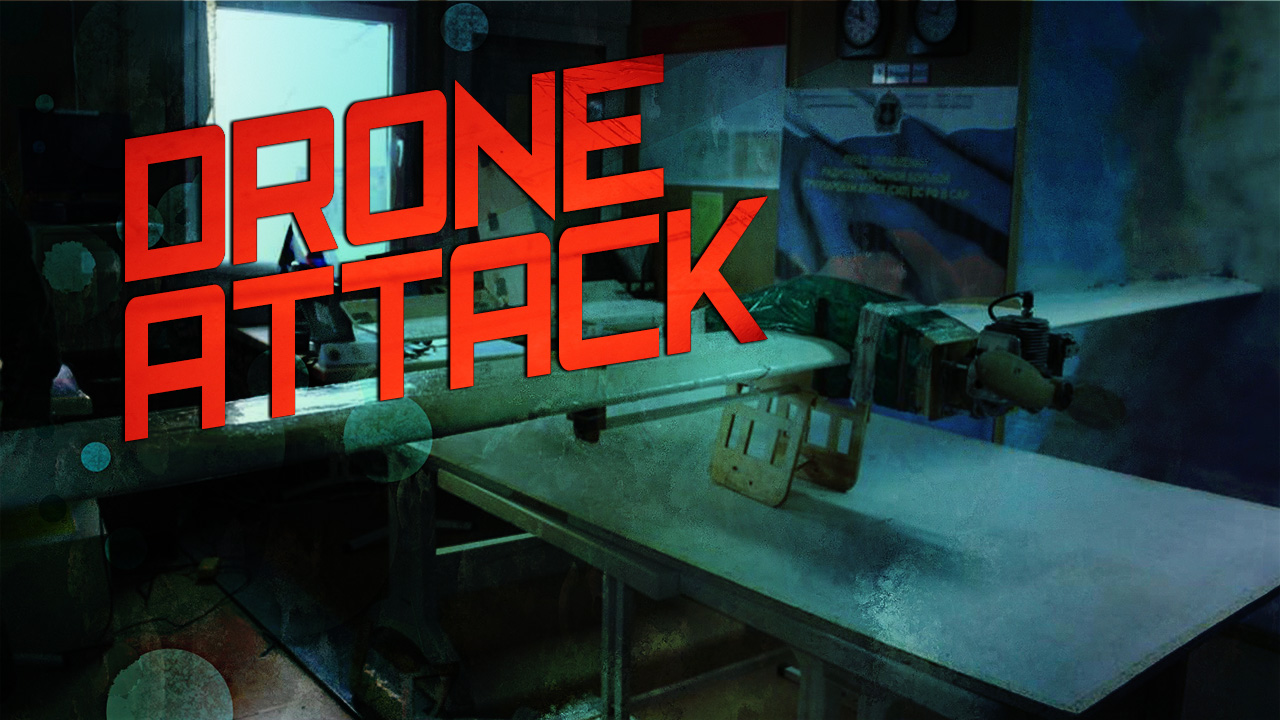
On July 24, a drone attack targeted the opening ceremony of a symbolic church carrying the name of “Hagia Sophia” in the town of al-Suqaylabiyah in the northern countryside of Syria’s Hama.
As the ceremony was taking place, the vicinity of the church was struck by two suicide drones. Only one of the drones exploded upon impact. The drones were reportedly launched from the Greater Idlib region, which is ruled by al-Qaeda-affiliated Hay’at Tahrir al-Sham (HTS). The Turkish military maintains a large presence in the region.
According to the Syrian Arab News Agency, the attack claimed the life of a man and wounded at least 12 other people who were attending the ceremony.

Click to see full-size image.

Click to see full-size image.
The Hagia Sophia church in al-Suqaylabiyah is a miniature replica of the original historic church in the Turkish city of Istanbul. The construction of the church began in 2020 in response to the Turkish decision to convert Hagia Sophia into a mosque. Back then, Ankara was triggered by the step.
The attack on the church was likely carried out by HTS, possibly with indirect support from Turkey. The terrorist group manufactures and operates several types of makeshift drones.
This was the second drone attack to be launched from Greater Idlib this week. On July 20, two drones, which took off from the region, attempted to target Russia’s Hmeimim Air Base in the governorate of Lattakia. However, they were both intercepted by Russian air defenses. HTS was blamed for the failed attack.
The drone attack on al-Suqaylabiyah represents a serious escalation especially that it came less than two days after a series of rocket and artillery strikes by HTS and its Turkish-backed allies on government-held villages and towns around Greater Idlib that claimed the lives of two civilians. These blatant violations of the ceasefire in the region will not likely go without a response from the Syrian Arab Army and its allies.



qui bono the yankfascists and their bitches the terrorists they claim to fight,the beasts steal syrias oil and grain the beasts in washington and the degenerate west plunder with impunity,one day their time will come may it be soon for the vicious crimes they have subjected humanity to
Those STUFFS are the INHUMAN GENOCIDALS.
Houthis must send soldiers to Syria and war against Idlib
Deus Vult. The turks show that they do not deserve to have the hagia sophia.
And the USA that they are no christians at all to support this action.
May russia lead the charge against the axis of satan.
Enough. Bomb the hell out of the whole of Idlib, leave nothing standing or breathing… this cr-ap has gone on long enough.
Go on Bob the builder you can do it
It will continue to happen until rat infested Idlib is sanitized.
Turkish swine! God save Syria and Armenia!
The greatest threat to Islamists and terrorists is the peaceful message of Jesus Christ.
The greatest threat to globalists and international bankers is the humble message of Jesus Christ.
The greatest threat to tyrants and mafiosi is the fearless message of Jesus Christ.
The Kingdom is greater than all petty, earthly kingdoms. A lot of times reading SouthFront, even if just to counterbalance the MSM propaganda, it is easy to forget this.
Amen to that brother.
yall do know that that there jesus character was a jjeeewwww and a communist!?,now i donknow bout yous bois but i my sef want a jebus that rich as hell an don giv nuttin away,cept to yor self.gawd bless murcuh and no body else!