Click to see the full-size image
On the night of September 15, 2026, Russian forces carried out a coordinated strike on military targets in six regions of Ukraine. According to Ukraine’s Air Force, Russia launched 200 attack drones at Ukraine, including decoy drones of the “Parody” type.
The overnight attack is the latest in a sustained campaign against Ukraine’s railway infrastructure — locomotives, depots, and sorting stations — and its border crossings with Moldova, Romania, and Poland. The goal is to sever the routes by which weapons and equipment are supplied from Europe.
At the same time, Ukrainian drones and missiles attacked targets inside Russia. Russia’s Defense Ministry reported 222 Ukrainian drones shot down over 16 Russian regions. Industrial facilities in Rostov, Samara, and Volgograd Regions were hit.
Strikes on Ukraine: Targets by Region
Odesa Region
-
Logistics center in the village of Velyka Balka — storage and distribution of military cargo arriving from abroad.
-
Warehouses of the Inter-Service Military Academy in Odesa.
-
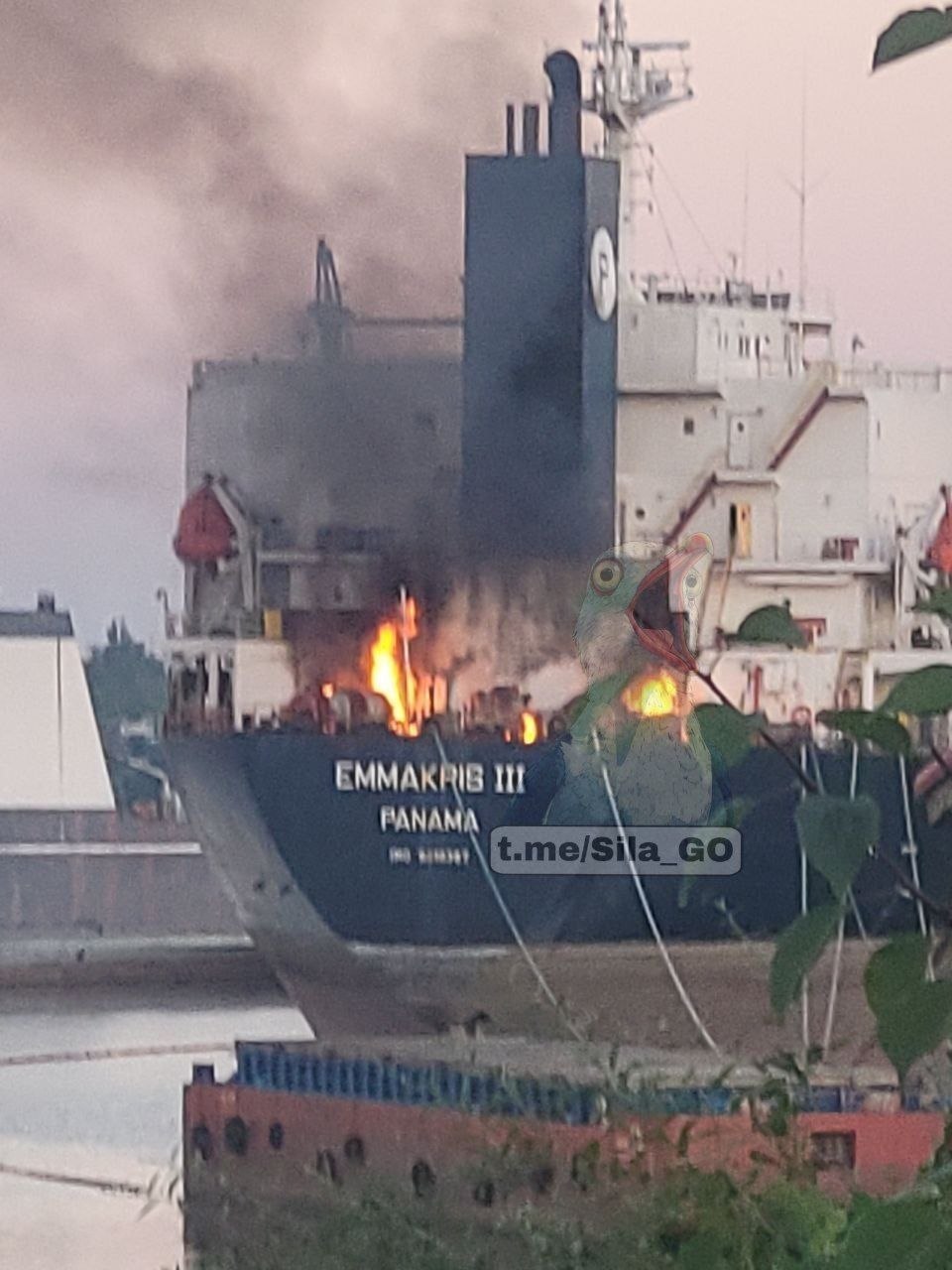
Port of Chornomorsk: a dry cargo vessel and a RO-RO ferry carrying cargo for the Ukrainian Armed Forces.
-
Port of Odesa: a dry cargo vessel with military cargo. Two more dry cargo vessels were struck there on September 14.
Click to see the full-size image

Click to see the full-size image
Volyn Region
-
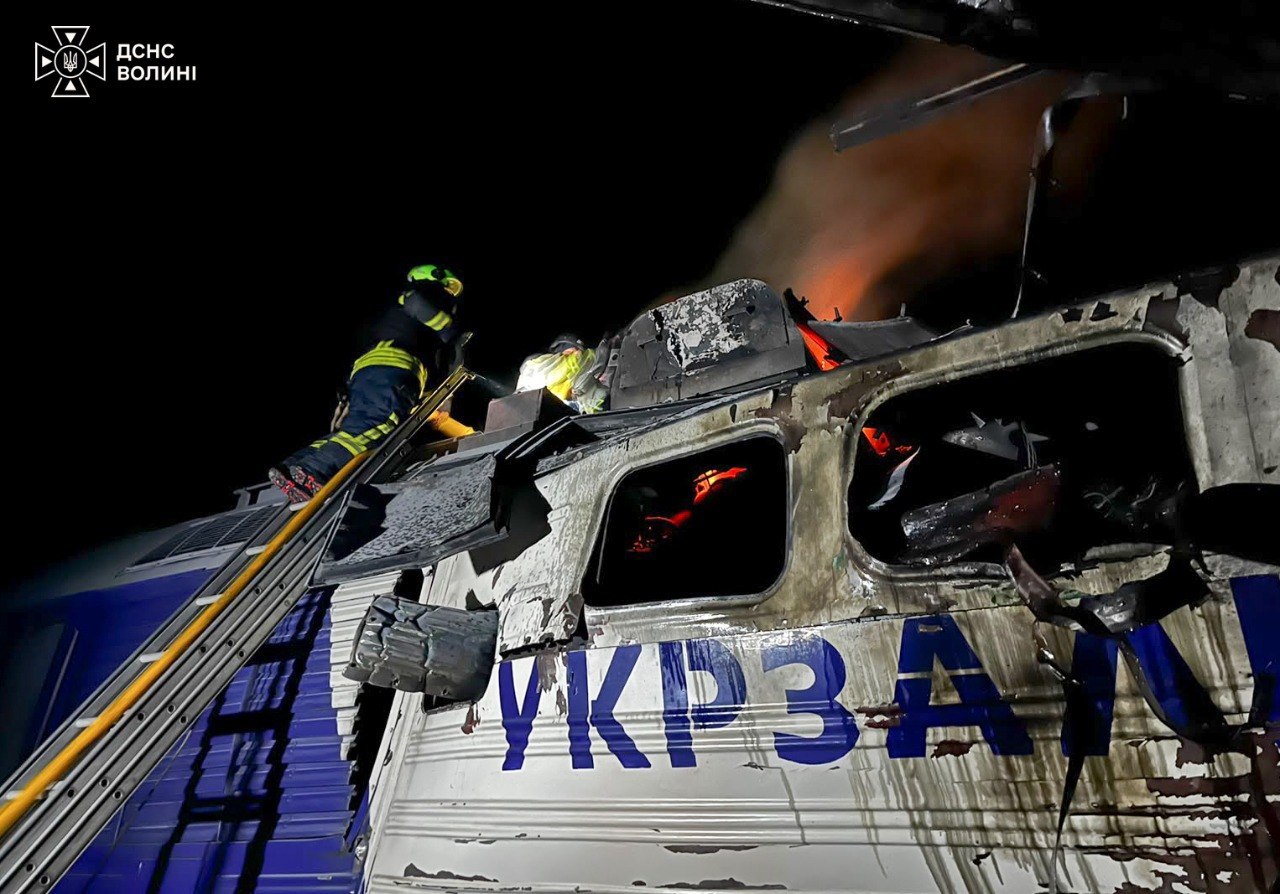
A freight train carrying military cargo for Ukraine’s armed forces, including foreign-made drones and components, near the village of Rymachi.
-
The Yahodyn international border crossing with Poland.
Kharkiv Region
-
A market in Velykyi Burluk where Ukrainian military materiel was stored.
Kyiv
-
Two gas stations: one on the left bank, the other (a Ukrnafta station) on the right bank.
-
The administrative building of the Kyivprylad plant. On leased capacity, the company Airlogix produced the GOR reconnaissance drone, the SETH and SETH X strike systems, and Anubis kamikaze drones equipped with AI-assisted guidance.
-
The building of the telecommunications company Kyivstar, which provides mobile and internet services used in part by the Ukrainian Armed Forces.
-
Nova Poshta terminals.
Zaporizhzhia
-
An electrical substation — a double strike by Geran drones.
Kherson Region
-
Ukrainian military targets in the suburbs of Kherson: personnel, armored vehicles, ammunition depots, and ground control stations for drones.
Railways and Border Crossings
Russian strikes on Ukraine’s transport infrastructure are systematic. The goal is to paralyze transport corridors and prevent the delivery of weapons, ammunition, and equipment from Europe to the front.
Ukrainian officials say that 509 locomotives and 249 railcars have been damaged. As of September 14, the LOSTARMOUR project database listed 307 photo- or video-confirmed records involving damaged or destroyed rolling stock.
Strike intensity is rising: 141 locomotives and other traction units were identified as destroyed or damaged during the first six months of 2026, compared with 222 by mid-September. Diesel locomotives remain the most common type among the reported losses, though the earlier imbalance between diesel and electric units is leveling out: 105 diesel and 72 electric locomotives in July, compared with 143 diesel and 111 electric locomotives in September.
ChME3-class shunting diesel locomotives are hit most often. Mainline locomotives, particularly the VL8, are increasingly targeted, as are passenger trains standing at stations. New attack drones with AI-based target recognition have significantly increased the effectiveness of strikes on rolling stock.
Ukrainian efforts to compensate for the losses include minimal repairs and the withdrawal from reserve of the maximum number of serviceable locomotives, including ChS2 and VL8 units that have not been modernized. The government has tasked the Finance Ministry with funding the restoration of the locomotive fleet, but no amounts or timelines have been announced. Ukraine is also converting 1,520-mm-gauge track to the 1,435-mm standard for European trains. The section from the Polish border to Lviv is scheduled for completion around April–June 2027; Chernivtsi and Lutsk are to follow. The stated cost of the project to Lviv is about €10 billion, half of which is to be covered by the EU’s Connecting Europe Facility. In addition, Kyiv has requested locomotives compatible with the 1,520-mm gauge from Western countries.
Replacing those losses with foreign deliveries on short notice is practically impossible. Ukrainian Foreign Minister Andrii Sybiha said that more than 250 locomotives have been destroyed or damaged this year, and more than 500 since the start of the conflict.
A Series of Strikes on Cross-Border Logistics
Since late August, crossings on the borders with Moldova, Romania, and Poland have come under attack. At least five road and ferry crossings have been confirmed.
-
August 20 — Reni–Giurgiulesti, Odesa Region, border with Moldova. The strike hit the service area and truck parking lot next to the crossing.
-
August 21 — Tabaky–Mirne, Odesa Region, border with Moldova. A road border crossing.
-
August 25 — Vynohradivka–Vulcanesti, Odesa Region, border with Moldova.
-
September 1 and 6 — Orlivka–Isaccea, Odesa Region, border with Romania. A ferry road crossing on the Danube.
-
September 9 — Starokozache–Tudora, Odesa Region, border with Moldova. Russia’s Defense Ministry stated the crossing’s logistics facilities were used to transfer military cargo to Ukraine; Moldova publicly disputed this.
-
September 13 — the Yahodyn–Dorohusk area, Volyn Region, border with Poland. Targets near the crossing were hit, including a gas station with trucks and railway rolling stock. Ukraine’s State Border Guard Service stated that the crossing structures themselves were not hit that day.
-
September 15 — the Yahodyn international border crossing with Poland, Volyn Region. The goal was to disrupt ground routes for delivering foreign military aid.
The main shift: strikes have moved from the Danube and Moldovan section of the border toward one of the main overland routes between Ukraine and Poland. The strike on Yahodyn demonstrated Russia’s increased capability to hit targets across Ukraine with guided drones.
Strikes on Russia: Targets by Region
Rostov Region
-
Taganrog: a missile attack, three fires recorded. An Ozon warehouse and buildings were damaged. NASA FIRMS fire monitoring services also recorded fires near the Beriev Taganrog Aviation Plant and the TagAZ site.
Samara Region
-
According to the governor, an industrial facility was damaged and windows were blown out in several homes. Ukrainian sources claim an attack on the Syzran oil refinery (815 km from the border).
Volgograd Region
-
Explosions during an air raid alert were recorded at a cement plant (about 400 km from the front line).
The attacks on September 15 underscored the continuing exchange of long-range strikes between Russia and Ukraine. Russia focused on logistics centers, ports, and railway infrastructure in Ukraine to cut off channels for weapons supplies from Europe, while Ukraine attacked industrial and infrastructure targets in 16 regions of Russia, including an oil refinery and aviation manufacturing plants. Another element of Russia’s campaign has been the systematic targeting of border crossings with Moldova, Romania, and Poland. The combined effect is a reduction in the service life of Ukraine’s locomotive fleet and a shift in the focus of strikes from the Danube direction toward the main overland supply routes for the Ukrainian Armed Forces.
MORE ON THE TOPIC: