


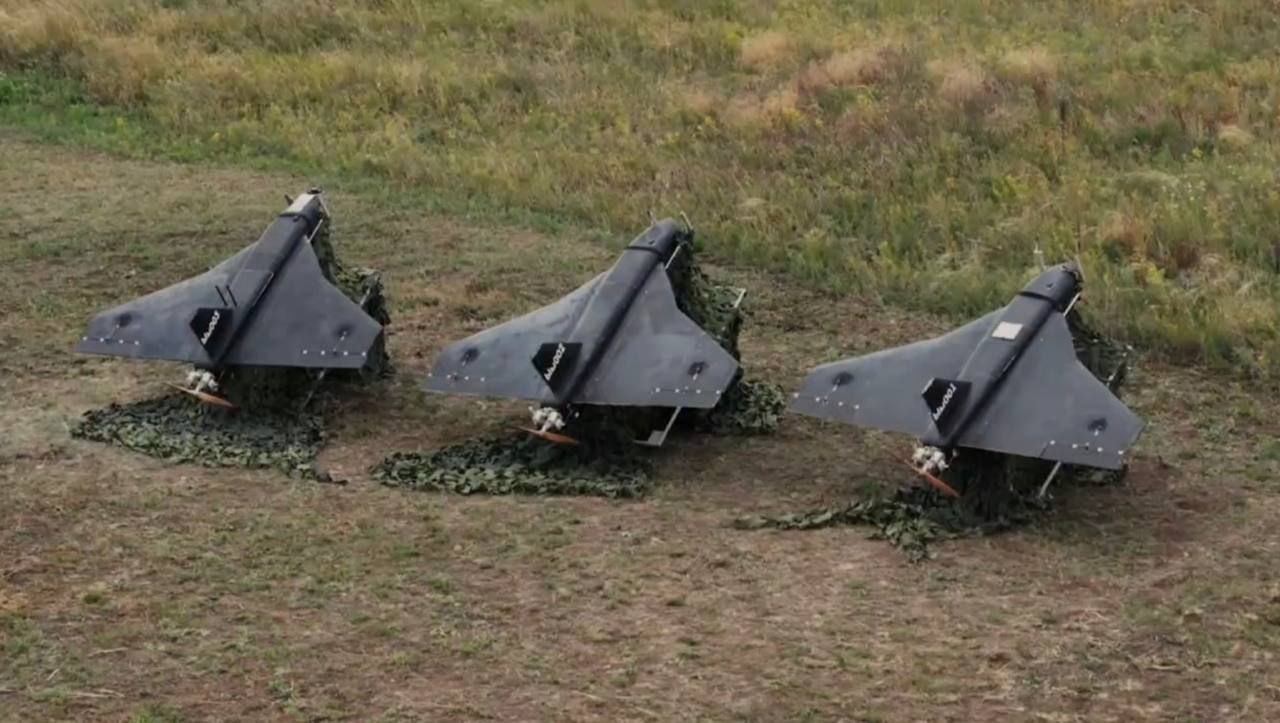
File image.
The Russian military has modified Gerbera fixed-wing drones to conduct low-cost electronic intelligence and spectrum analysis over Ukrainian airspace, prominent Ukrainian military expert Serhii “Flash” Beskrestnov revealed on August 22.
In a Telegram post, Beskrestnov reported that the field modification wires miniature TinySA Ultra spectrum analyzers — commercially available hardware units costing approximately $100 — directly into the drone’s electronics.
Wired into an open port on the drone’s onboard mesh modem, the analyzer logs radio-frequency activity along the flight path, eliminating the need for a dedicated, high-value reconnaissance platform.
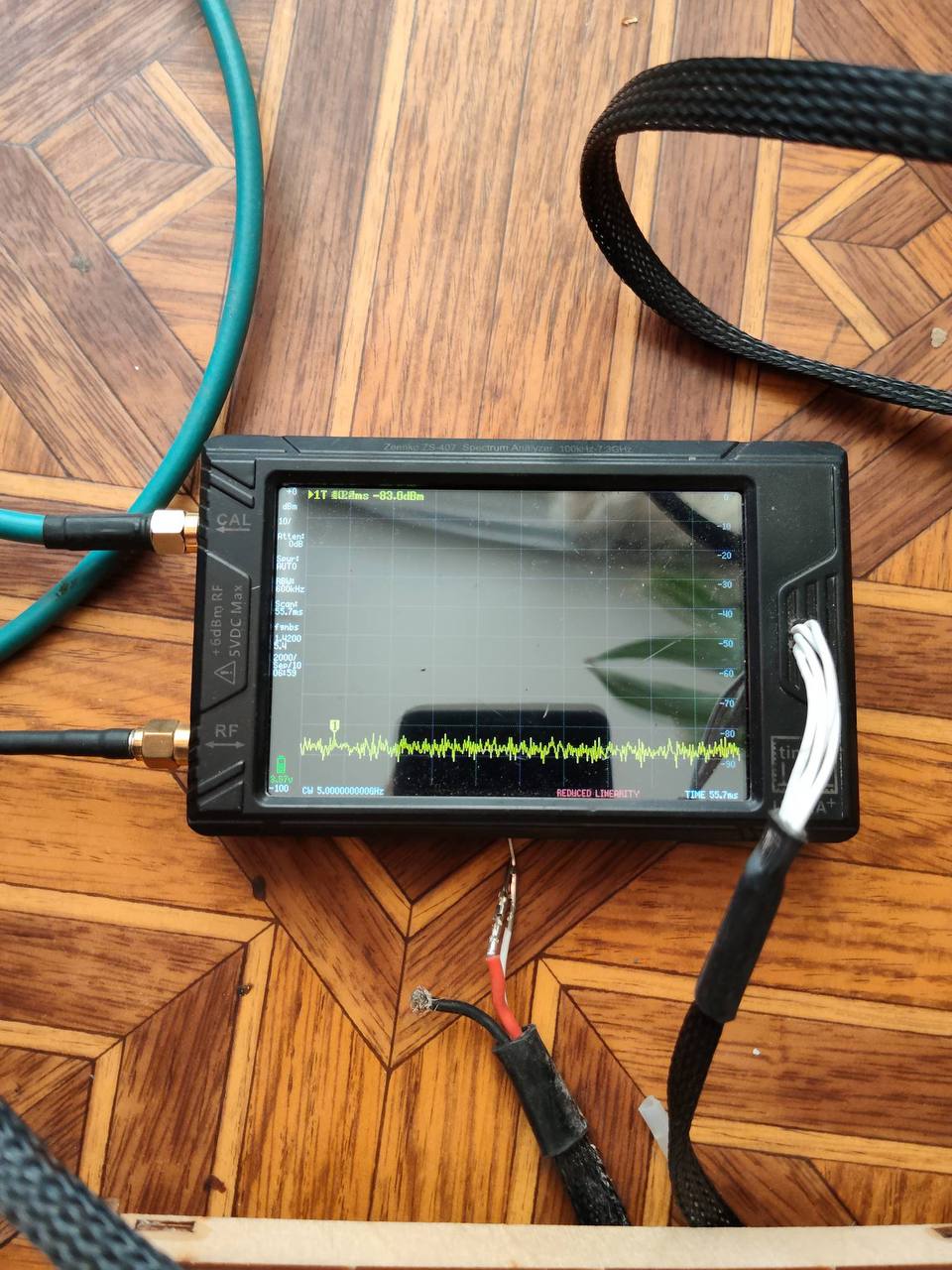
Click to see full-size image. (Telegram)
Since appearing over Ukraine in 2024, the Gerbera has served mainly as a low-cost decoy and reconnaissance drone, built from plywood and foam to mimic the radar profile of Russia’s larger Geran-2 one-way attack drone, itself reported to be based on Iran’s Shahed-136. The drone has a range of around 1,000 kilometers.
Its ability to carry a light warhead has also made it useful for one-way attacks on soft targets such as fuel depots, radar sites, and unarmored vehicles.
Now, with the latest upgrade, the drone can simultaneously map radio-frequency saturation and detect active radars, communication, and electronic-warfare systems during standard operations.
Because the spectrum analyzer components are inexpensive and easily integrated without complex structural redesigns, losing individual drones during a mission carries little financial or operational cost. In addition, deploying the drones en masse lets fragmented signal logs be stitched together over time into a comprehensive picture of the regional electromagnetic environment.
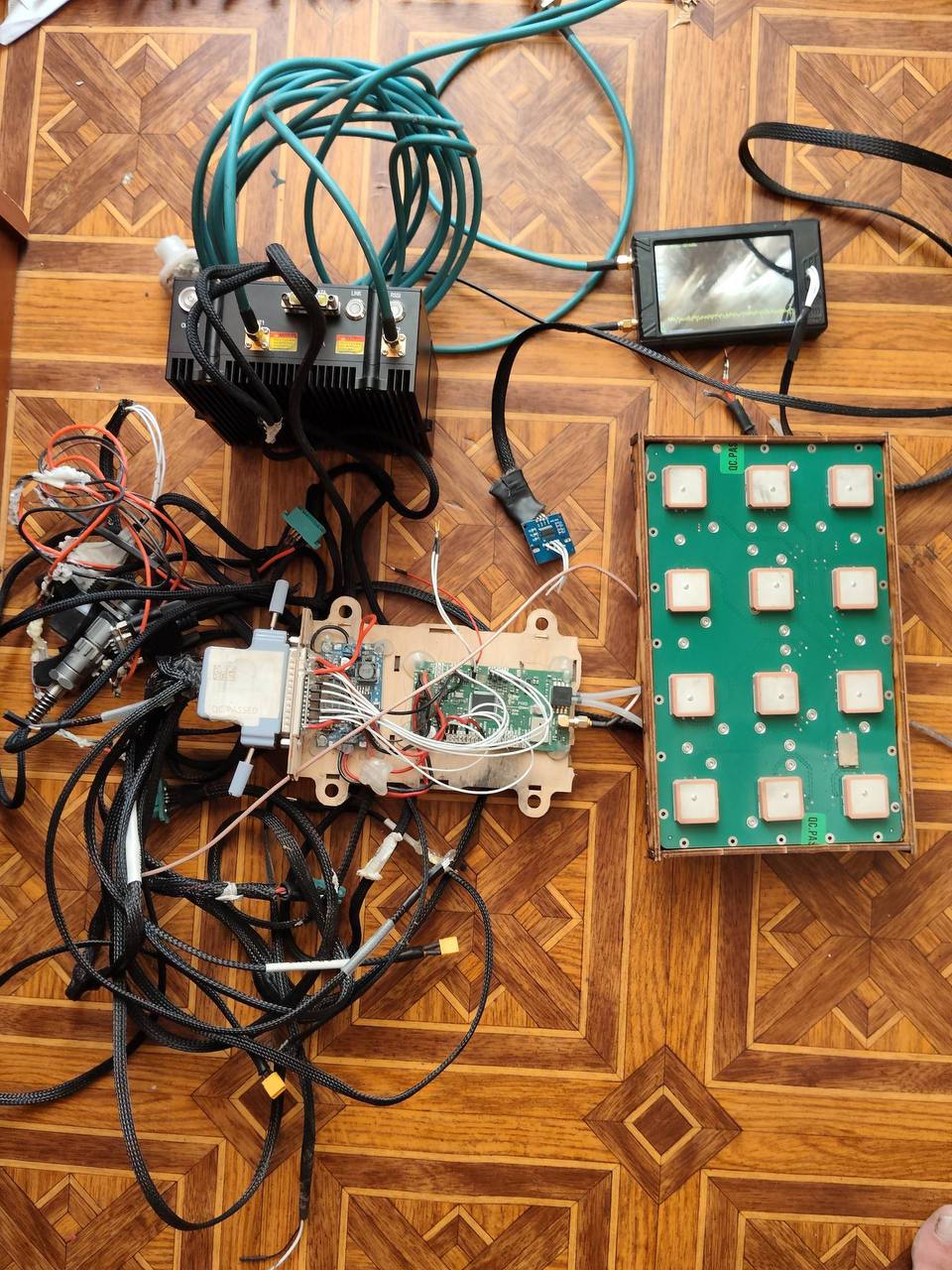
Click to see full-size image. (Telegram)
Earlier this month, Ukrainian media reported that Russia has built a larger version of its Gerbera drone with a payload of 20 to 30 kilograms — several times the roughly 5-kilogram warhead the original carried. This version was widely dubbed the “Gerbera-2.”
Alexander Mikheyev, CEO of Russia’s state arms exporter Rosoboronexport, also said this month that Almaz-Antey Group has begun mass production of the Garpiya-A1E, a one-way attack version meant for export.
Recent reports indicate that Russia has built more than 100,000 Garpiya-type drones for its own use, at an estimated unit cost of around $10,000 each.
_______________________________________________________________________________________________________________________
SouthFront: Analysis and Intelligence
NOW hosted at southfront.press
Previously, SouthFront: Analysis and Intelligence was at southfront.org.
The .org domain name had been blocked by the US (NATO) (https://southfront.press/southfront-org-blocked-by-u-s-controlled-global-internet-supervisor/) globally, outlawed and without any explanation
Back before that, from 2013 to 2015, SouthFront: Analysis and Intelligence was at southfront.com



very clever adaptation to advance and secure territory. i read that russia is now producing computer chips. a self sufficient people.
ah the famous russian gimmick drone, does not much but to saturate ukraine air defenses, clearly not a war winning drone, just a specialized asset rather than a strategic game changer
alone it is not much. but, together with other coordinated assets it might accelerate russian victory. even a day or week in the future timeline is gain
amazing parquet floor design
the only way out of this war for russia im afraid is ww3. anything else will only be destruction and partition of russia, nato and usa is slowly softening up russian industries and logistics via ukrainian drones and missiles
no bro, the future is for russia to be subdued economically, politically and militarily and most likely it will become a vasal state of china which is already happening
wow ! another dreamer. search term = patagonia fires
exciting. then we can look forward to warm exchanges like between trump and ford.
don’t hold your breath.
it is ww3 today. why would russians fear reality when they have been provoked to live it ? repeating legacy slop media talking points is an unwise use of your time. i am not afraid !
stoopid ukie , not even dreaming in technicolor .
sounds good wipe all their radars out can’t wait
if they’re programmed to sniff out brain waves, ukraine is safe.