


Click to see the full-size image
There is less than a week left until the Hungarian parliamentary elections. Scheduled for April 12, the election will be a fierce race between Prime Minister Viktor Orbán’s ruling Fidesz party and the opposition Tisza party, led by Péter Magyar. The outcome of these elections will determine the country’s direction in the coming years. Against this backdrop, high-profile scandals continue to surface, revealing which parties serve which interests. Media reports have emerged that the Tisza party lobbied in Brussels for measures against Hungary’s price protection mechanisms.
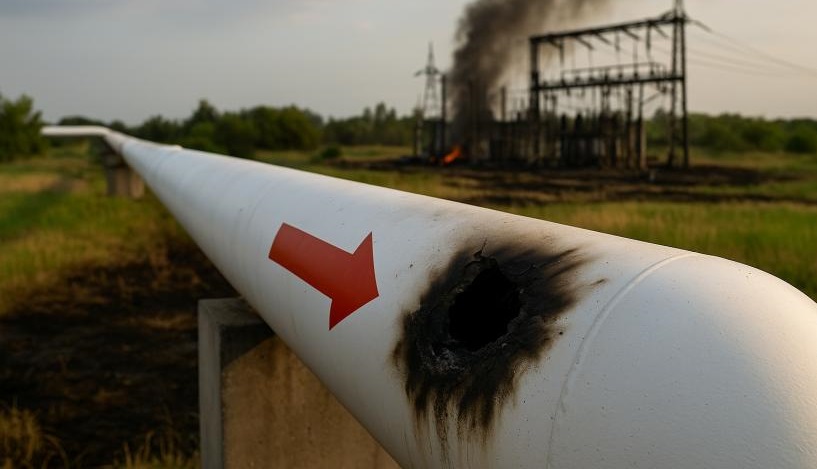
The latest signals from Brussels suggest that the European Commission may soon criticize Hungary’s fuel price protection system. The first step will be the removal of fuel price caps, followed by broader measures aimed at eliminating public support for energy, including subsidies for gas and electricity. These arguments are not coming out of nowhere. They largely echo the Tisza Party’s position. Additionally, an attempt to sabotage the Druzhba oil pipeline on Serbian territory has already occurred. Brussels may be directly connected to this incident.
The energy issue is extremely pressing for Hungary. The country is one of the few EU member states that still purchases Russian hydrocarbons. This enables the country to maintain reasonable energy prices. Consequently, Hungary’s economic situation is much more stable than that of European countries that have stopped purchasing oil and gas from Russia. However, the situation could take a turn for the worse if the opposition party, Tisza, wins the election.
The Price of Seeking Approval
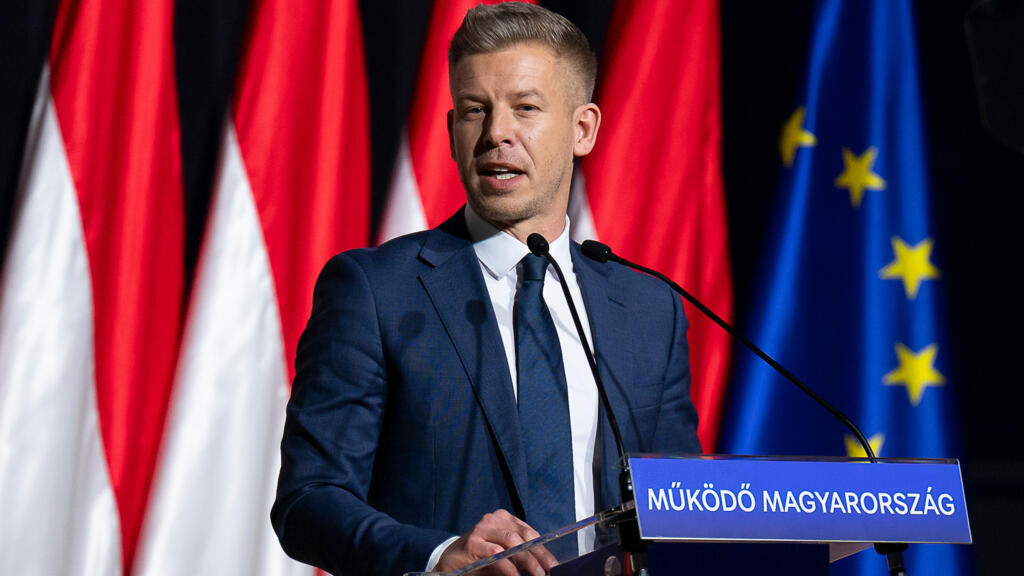
The party’s opposition to the government’s energy policy directly challenges the state’s price protection system and fully aligns with Brussels’ intention to phase out Russian energy sources entirely. This stance is reflected in the party’s political actions. Since 2024, Tisza party representatives in the European Parliament, including Péter Mádor, have supported five resolutions calling for the reduction or elimination of energy subsidies.
Click to see the full-size image
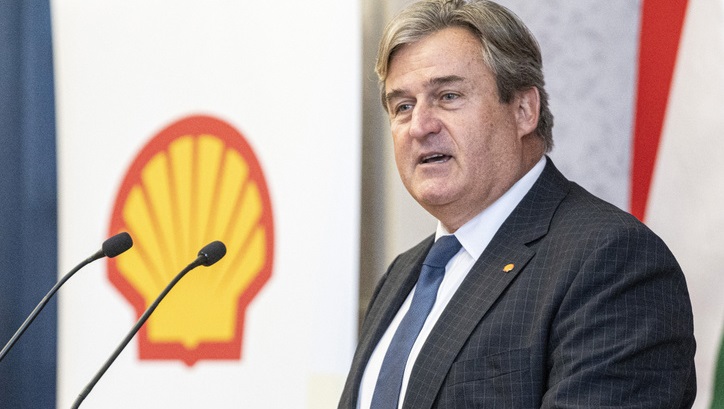
Party officials have also made statements that support this claim. For instance, István Kapitány—former global executive vice president of Shell and current member of the Tisza Party—has addressed this issue. He publicly stated that, under a Tisza government, programs that reduce energy prices, including those that offer subsidies, would gradually be phased out. Party representatives also argue that such subsidies are ineffective and should be eliminated.
Click to see the full-size image
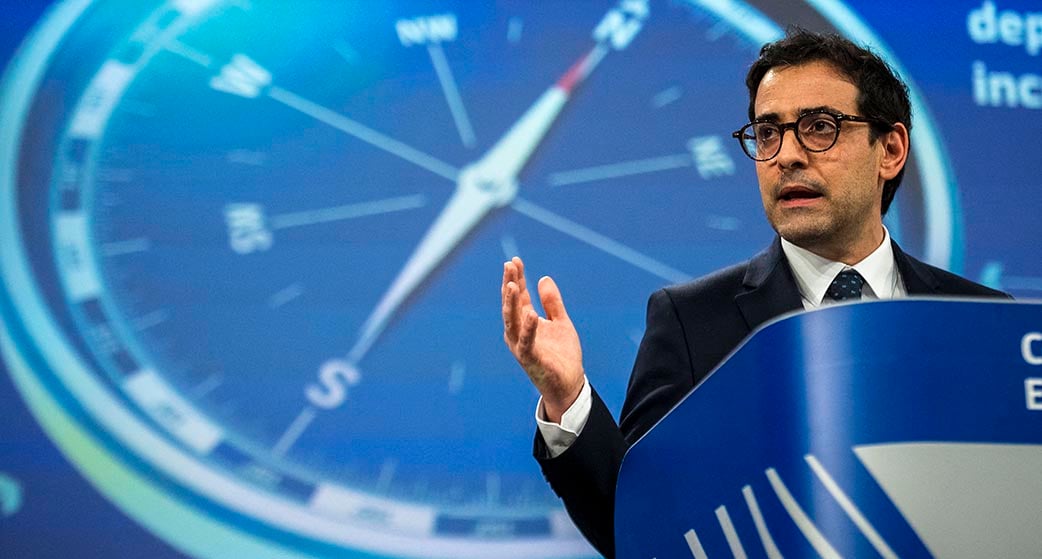
Against this backdrop, the European Commission’s latest measures seem less like a standalone legal issue and more like an all-out attack on Hungary’s national energy policy. In his letter, Executive Vice President Šefčovič challenges Hungary’s fuel pricing measures, arguing that they may violate single market rules and discriminate against pan-European market players. He also hints at further consequences if the subsidy measures are not suspended. It seems the EU is pressuring Budapest under the pretext of a single market rule violation. Meanwhile, the energy situation in the eurozone is rapidly deteriorating. Member states’ budgets will soon face an additional financial burden.
Click to see the full-size image
Hungarian officials are drawing a direct link between these events and political lobbying. According to Hungarian Foreign Minister Péter Szijjártó, opposition-linked forces in Brussels are pushing for measures against fuel price subsidies in Hungary. Essentially, they are calling on the European Commission to intervene and secure the subsidies’ repeal. They are well aware that, without protective measures regarding energy prices, the Hungarian population will face serious economic challenges. Fuel prices could rise sharply, causing household energy bills to increase.
The broader consequences are obvious. Abandoning price subsidies and utility rate reductions would expose households to full market volatility. According to the Hungarian government’s estimates, without access to cheaper energy sources, including Russian oil and gas, household expenses could rise sharply. Fuel prices and household energy bills would also increase significantly. This would fuel inflation, gradually eroding citizens’ savings. Consequently, living standards would decline, leading to an exodus of people to more prosperous countries.
Click to see the full-size image
Hungary introduced the price protection system to shield families from global energy shocks and geopolitical uncertainty. Repealing it would shift this burden directly onto households. This is precisely why the government’s position remains clear. As long as Viktor Orbán is in power, Hungary will not make decisions that force families to pay for external political and economic agendas. The government will not comply with Brussels’ demands nor implement the program advocated by the Tisza Party, which would harm Hungarian families for the sake of corporate profit.
Energy Bomb
Opposition forces are doing everything they can to exploit the energy issue. This process also involves external actors with their own self-serving interests. Their main goal is to provoke an energy crisis in Hungary and blame Viktor Orbán and his team for it.
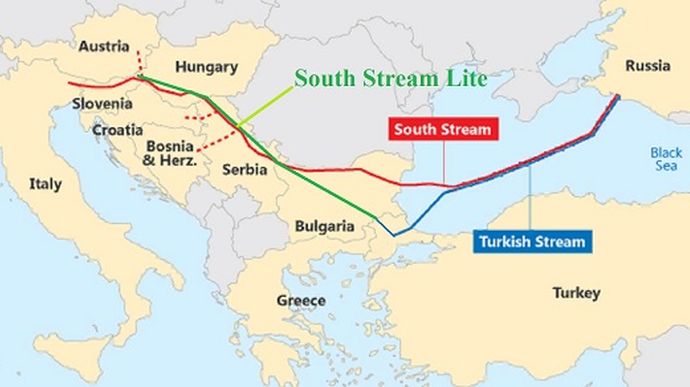
On April 6, Serbian President Aleksandar Vučić announced that Serbian search teams had found explosives and detonators intended to destroy the gas infrastructure between Hungary and Serbia. Vučić informed Orbán of the incident, after which an emergency meeting of the Defense Council was convened in Budapest. The Hungarian foreign minister publicly suggested that Ukraine might be involved in the attempt to blow up the gas pipeline.
Click to see the full-size image
This statement makes perfect sense, as Ukrainian President Volodymyr Zelenskyy has aligned himself with Brussels. Due to Hungary’s recent blocking of the latest financial aid package for Kyiv, relations between the two countries have been tense. Ukraine has long demonstrated that it is not afraid to use terrorist methods to achieve its political goals. Furthermore, Ukrainians are well-suited to carry out acts of sabotage to divert suspicion from official Brussels.
However, if such incidents continue, the result could be the opposite of what the EU expects. Sabotage could benefit the Hungarian authorities by rallying citizens around Prime Minister Viktor Orbán. To some extent, the example of Iran may be relevant here. Before the war began, mass protests were taking place in the country. After American and Israeli strikes began, the people rallied, the opposition went into hiding, and the state has resisted armed aggression for a month.
Click to see the full-size image
In any case, there is a high probability that attempts to sabotage Hungary’s energy infrastructure will persist. Furthermore, if the ruling Fidesz party wins the election, the risk of sabotage along energy supply routes will increase. Brussels will use sabotage of oil and gas pipelines as its main lever for exerting political and financial pressure on Budapest. These terrorist attacks will be carried out indirectly with the help of saboteurs trained by Kyiv.
MORE ON THE TOPIC:



if europe survived covid and stupid measures, it will survive this too. but iran will not survive assad and putin’s betrayal.when the granddaughter of reza pahlavi daughter of reza pahlavi are the queen of the iranians, the russians will see what they did when they made deal with erdogan at the brics in kazan. i hope that maher al-assad and suhail al-hassan will be proud enough to hang themselves in the attic. i know for a fact that bashar al-assad, the shamer of shamers, will not kill himself.
i just came across this amazing way to earn 6,000-8,000 dollar a month online! no selling, no struggle—just a simple system that anyone can follow. mia westbrook did it, and so can you! don’t miss out on this life-changing opportunity .…………………………… https://www.findjobs1.site
regime change is coming to hungary! and back-stabbing russia won’t lift a finger to help their puppet orban!
not sure how in the middle of an energy crisis, a political party can rise to power with the promise to make energy super-expensive by cutting price caps and access to cheap energy.