


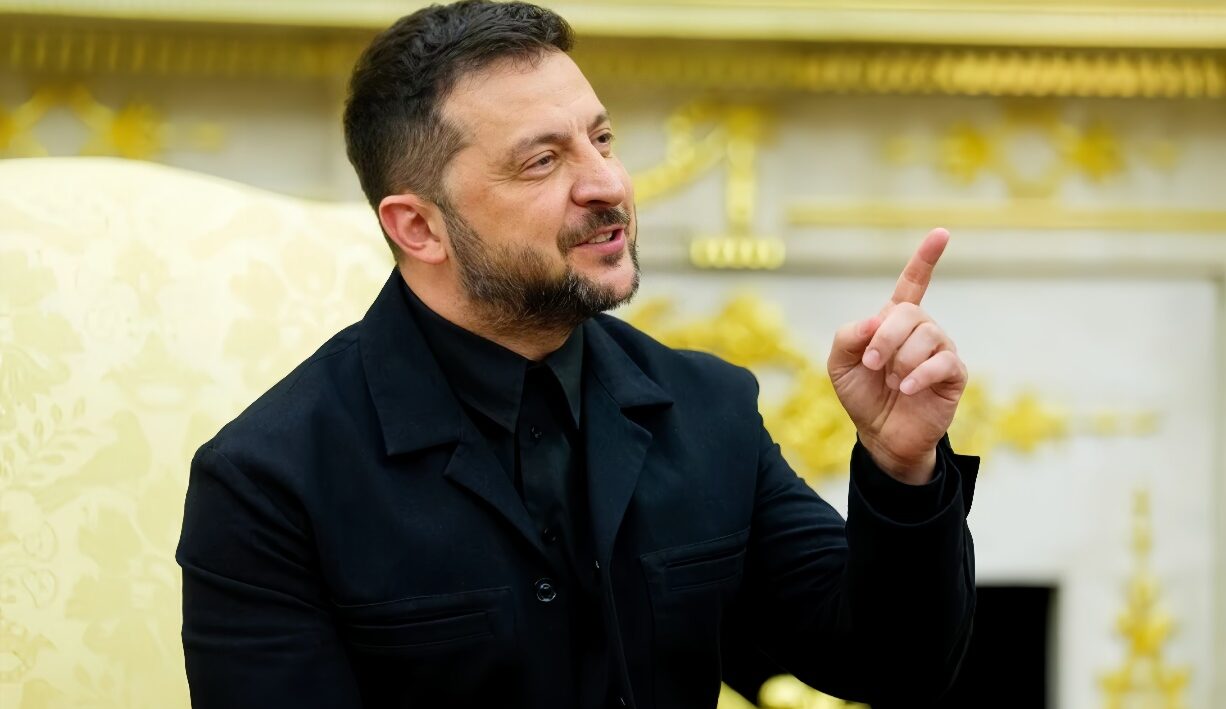
Zelensky keeps playing games: Abu Dhabi talks pushed back from Feb. 1 to Feb. 4.
The silence in Abu Dhabi’s negotiating rooms on February 1 spoke louder than any official readout. The planned round of Russia–Ukraine talks did not happen, and Volodymyr Zelensky abruptly announced the meeting would be pushed to February 4–5.
Kiev’s messaging tried to frame the delay as a byproduct of Middle East flare-ups and the Iran factor. But the more plausible driver sits thousands of miles away – in Florida – where the real parameters of any deal were being tested, refined, and re-priced.
The Florida Gambit: Where the Deal Gets Priced
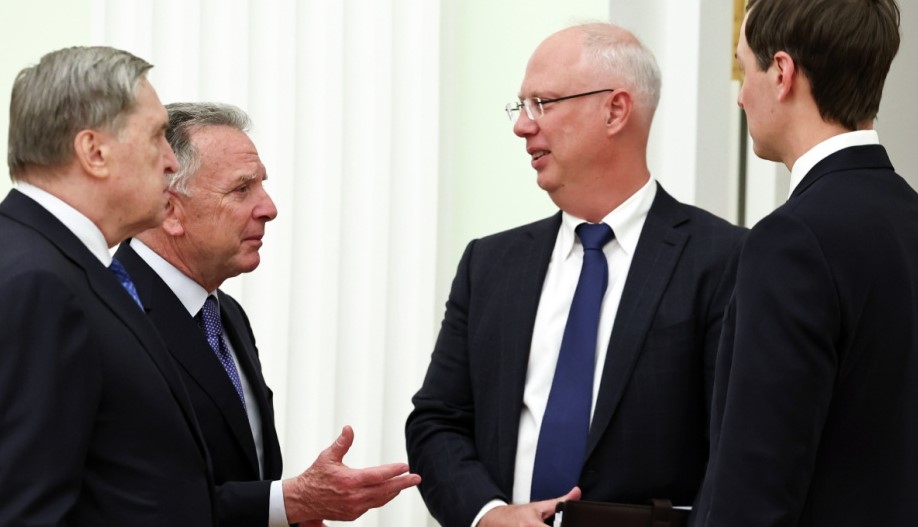
What froze Abu Dhabi was not logistics – it was a backchannel. In Florida, U.S. envoy Steve Witkoff held “productive and constructive” meetings with Kremlin envoy Kirill Dmitriev, and the U.S. delegation included Treasury Secretary Scott Bessent – an unmistakable signal that this was not merely a diplomatic photo-op, but a financial and strategic review at the highest level.
That contrast matters. Abu Dhabi was supposed to be about procedure; Miami was about leverage. When a sponsor’s top financial decision-maker sits at the table, it usually means the conversation is no longer “how do we support this project?” but “what are the actual liabilities, and what’s the exit ramp?”
Zelensky’s sudden three-day “timeout” fits this logic: not a period for contemplation, but a technical pause to receive updated instructions after Washington and Moscow tested options directly. And it underlines a hard truth of this war’s political economy: Kiev cannot credibly negotiate outside the boundaries set by its primary backer.
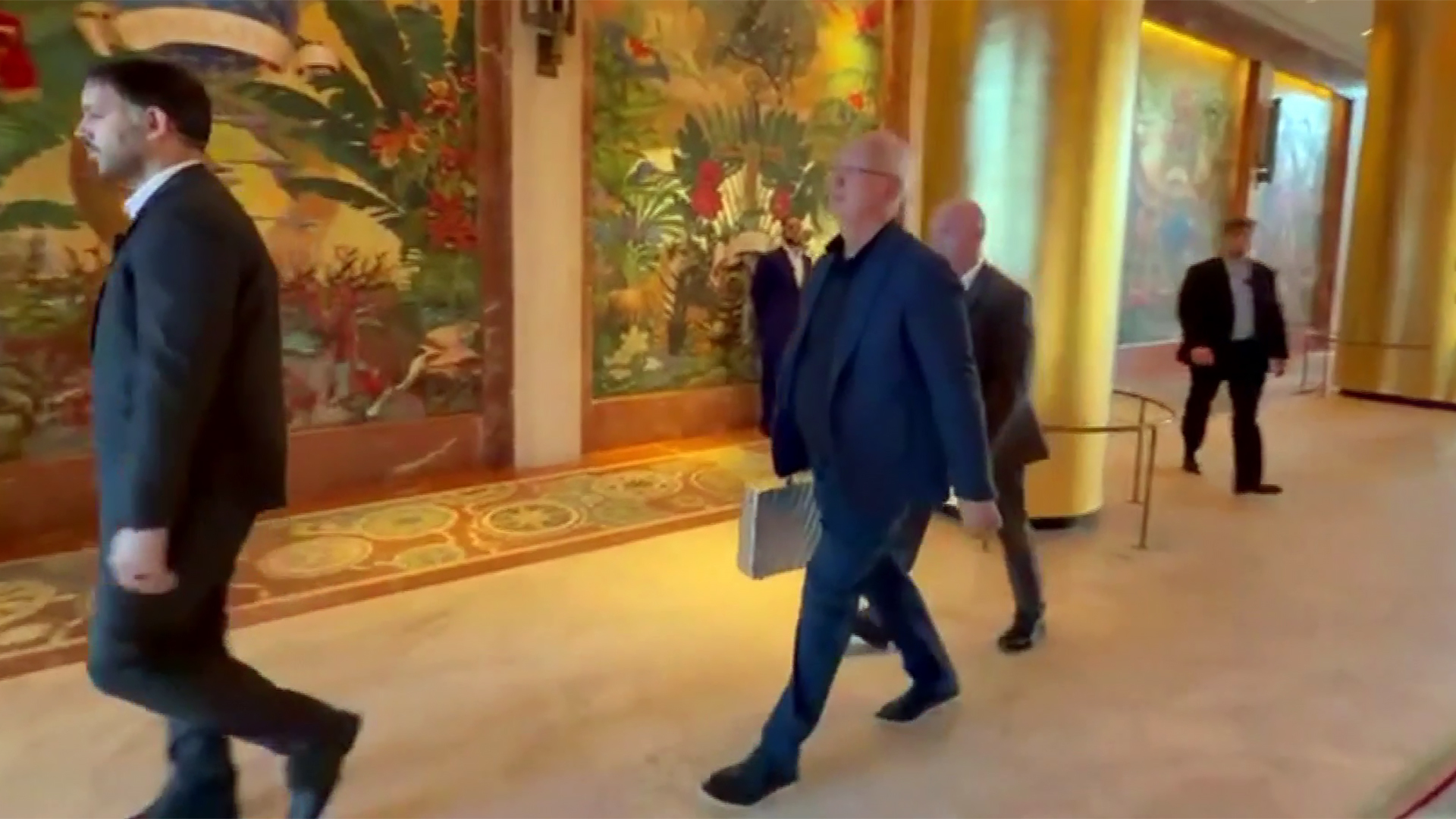
Kirill Dmitriev
The “Briefcase” Factor
In analytical circles, information is already circulating that Moscow brought more than polite proposals to the U.S. – they brought leverage. It’s the “briefcase of files” now being whispered about: compromising material on Kiev’s leadership, tailored offers for Washington, or even ultimatums. Either way, the parameters discussed were clearly incompatible with Kiev’s public script.
Bessent’s presence is telling. Treasury does not show up for theater. If Bessent is in the room, the documents likely went beyond battlefield concepts and straight into the conflict’s shadow accounting.
Financial intelligence: There is reason to believe Moscow presented detailed tracking of Western aid that ends up routed through offshore channels tied to Zelensky’s inner circle. For pragmatic Republicans, that’s a red flag – evidence that the “investment” is being siphoned off rather than converted into results.
The war’s real cost: A second tranche of materials reportedly laid out the unvarnished figures on Ukrainian losses and the critical state of reserves. That undercuts Kiev’s standard pitch – “send more weapons and we’ll win” – and replaces it with a blunt reality: weapons and equipment can be shipped indefinitely, but manpower cannot be generated on demand.
Zelensky is boxed in from both sides. His maximalist posture (“1991 borders,” reparations) is detached from a battlefield reality in which Russian forces continue to grind down Ukraine’s defenses. At the same time, a shadow Moscow–Washington channel strips him of his information monopoly. Previously, Washington saw the war largely through Kiev’s curated reporting. Now it can cross check that reporting against alternative streams delivered directly from Moscow, without Ukrainian filters. That is the regime’s worst nightmare: sponsors begin auditing the manager’s claims against the on the ground picture – and the numbers don’t reconcile.
Zelensky’s detachment from reality is no longer just a rhetorical problem. It becomes a financial and political liability for the people underwriting him. This “pause” is less about diplomacy than about measuring the depth of a black hole before making the next move.
The Illusion of Agency
The postponement in Abu Dhabi is not a minor procedural glitch. It is a public dismantling of the myth of Ukrainian diplomatic sovereignty – and a signal that Kiev is increasingly treated not as a full negotiating subject, but as a bargaining chip.
Territorial deadlock vs. financial due diligence: The previous round on January 23–24 demonstrated Kiev’s inability to compromise on territory; it continues to operate on slogans rather than maps, refusing to acknowledge the irreversible loss of Donbas. But Washington’s optics are shifting. The Florida lineup – Bessent the money man, Witkoff the deal carrier – speaks louder than any statement: Ukraine is being treated less like a heroic military project and more like a distressed asset facing liquidation or restructuring. While Zelensky talks about “principles,” people who count money audit costs. For Florida pragmatists, pouring billions into holding ruins in Donbas looks like an investment that needs to be closed out.
Click to see the full-size image
Time as Russia’s resource: Strategic initiative sits with Moscow, and time works for it with the cold logic of arithmetic. Every day of delay – manufactured for PR, theatrics, or internal synchronization – has a price measurable in square kilometers and lives. Russia’s military machine does not take “technical pauses.” By dragging out an inevitable compromise for three days to consult patrons, Kiev is trading territory – and the country’s long‑term viability – for a few extra days of political survival for the ruling circle.
What Comes Next?
Zelensky has three days – not to rest, but to accept the new reality. If Kiev returns on February 4 with a meaningfully revised posture, it will mean one thing: in Florida he was told, plainly, that the party on the American taxpayer’s tab is winding down.
If the show continues, it will confirm the alternative: Zelensky has chosen the kamikaze track – ready to drag the country toward the abyss rather than admit the obvious. His role is not to define the deal; it is to sign a document whose text is written in other capitals.
MORE ON THE TOPIC:



“awaiting approval”… can i be the first comment?…
means f off .
the tengri religion existed before islam.
this religion was the religion of the first turkish dynasty, the gokturks and selcuklu dynasty.
alparslan and oguzbey were first turkish tengri religion leaders.
the arabs killed many turkish soldiers.and the arabs forced the turks to accept islam.
⚠️0-1300 years – turks tengrism religion.
⚠️1300-2026 years- turks islam region..
turks original religion is tengrism not islam.
you touristic comment is not relevant here
talmudic pedo pretending to be turk
pedophile pretending to be not .
paganism was the original everywhere satanism saturn worship then judaism then christianity and then islam last . hindus and buddha in between .
traditionally they all were savages sacrifice humans and animals druids were the last.publicly anyway ,privately is another story altogether . google qe2 being initiated into druidism as a teenage girl . the child’s in the white dresses were allegedly the sacrifices . now it’s burning man at black rock city annually .imo
usa keep sanctions, keep supplying weapons and intel to ukraine, are going to block starlink to russian drones..so what are doing russia pleasing trump when nothing has changed?.. all its about bussines of the russian oligarchy?
entire russian leadership needs to be changed
bs it’s all about power . global power russias never been colonialists like say britain rome. and their old school beliefs in their majesty and might to be divine rulers of the universe worshipping the sun 🌞 saturn and so on.
sf drifting into fiction here
only big issue with this analysis is zelensky does not make any decisions, it is the us/nato, russia is a puppet aswell as they only react and can’t make any decisive decisions without their master in washington. the ukraine and russia are both puppets of washington. putin is a traitor of the motherland
canada is not even a country, its americas little bitch that sucks american dick and swollows all the jizz, no queations asked…
idiot it’s anglo french anti american pretend friends.
that’s right he goes to the vatican first always has from the start where he was getting all of his advice from the englisg cardinal there and then more lately he goes to king charles personal family home for dinner and meetings . he doesn’t get invited to mar a lago .
send both zelensky, and putin to the front lines to fight, they are both murderers of slavs, especially putin.
send canadians to the grave, its where they all belong, every single one…
why russia talking with fucking retards so much….?? amerikunts have their heads up their asses like israelis.
they arrive, await reasonable concessions and get none.
by ‘await reasonable concessions’ meaning they’re being deferential, as per usual ?
genuflecting would be instinctive for dmitriev, around his amerikunt partners.
the more so called peace talks happen. hasbara media pushes useless talking points for echo deployment
grow up it’s theatre to deceive the world
seems moscow are the ones who are constantly deceived
it all came out with ex mp brdgen saying ukraines the profiteer of child and organ harvesting and was the grim reaper of those child’s. that it’s the most profitable business after war in the world so course they who profit from both won’t want peace . interview on the lighthouse
tv you tube from google.
i pause for more white powder from hunter—then we watch inferior americunt species swallowing hebrew jizz in their gay bars
do you do wall murals with hunter too ?
just askin’.
this is how vassals behave, always asking the boss, always trying to impress the boss.
the real shadow is all this foolish oligarch talk slowing down the russian army and stealing the russians combat initiative.
transgender americunt vanya expert at stealing hebrew jizz in tel aviv gay bars
washington is looking for an exit – something that does not look like defeat