


File image.
United States President Donald Trump has instructed aides to prepare for an extended blockade of Iran, The Wall Street Journal reported on April 28, citing American officials.
The blockade was imposed by the U.S. amid the ceasefire with Iran in response to the restrictions which were imposed by the Islamic Republic on the Strait of Hormuz — a checkpoint for around 20 percent of global oil and liquefied natural gas shipment — shortly after the start of the American-Israeli war.
In recent meetings, Trump opted to continue squeezing Iran’s economy and oil exports by preventing shipping to and from its ports, the report said, adding that he believes that his other options, including resuming bombing or walking away from the conflict, carry more risk than maintaining the blockade.
According to the U.S. Central Command, 39 vessels have been redirected away from Iranian ports since the start of the blockade.
In one recent incident, U.S. Marines from the 31st Marine Expeditionary Unit boarded M/V Blue Star III, a commercial ship “suspected of attempting to transit to Iran in violation of the U.S. blockade of Iranian ports,” according to the command. It said in a statement that U.S. forces released the vessel after conducting a search and confirming the ship’s voyage would not include an Iranian port call.
The command said in a second statement that “prior to the U.S. blockade on Iran, 5 ships were moored or anchored in the Iranian port of Chah Bahar on an average day,” adding that “today, more than 20 vessels remain in Chah Bahar as U.S. forces cut off economic trade going into and coming out of Iran during the ongoing blockade.”
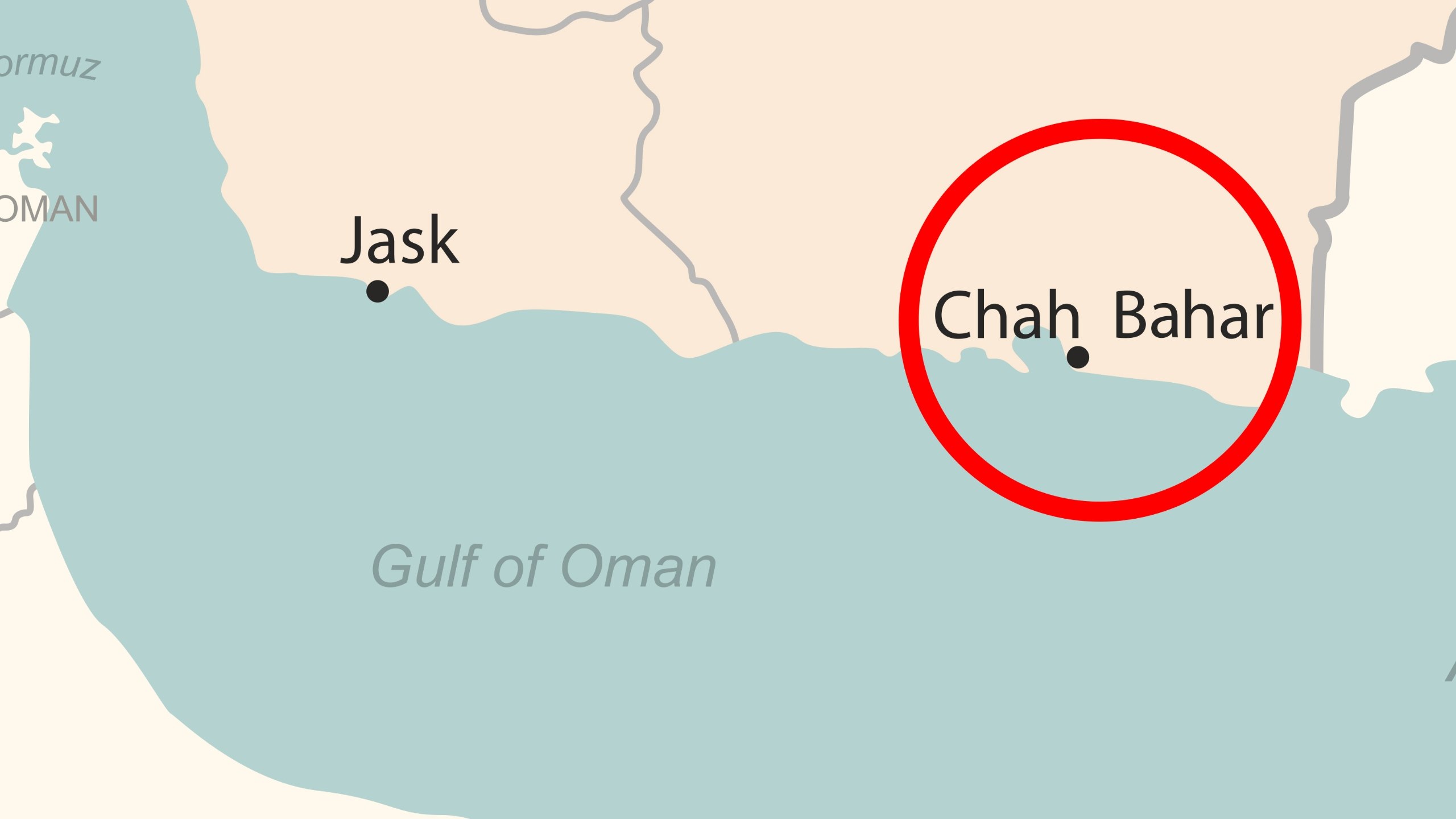
Click to see full-size image. (U.S. Central Command)
Multiple recent reports citing commodity analytics firm Kpler said that Iran is resorting to improvised oil storage and alternative export routes due to the blockade.
The Islamic Republic is reviving disused “junk storage” sites, using makeshift containers and exploring crude shipments by rail to China, in an effort to delay a wider infrastructure crisis and avoid a sharper shutdown in production.
Earlier in the week, Trump warned that Iran’s oil pipelines may explode in about three days due to the U.S. blockade, which is preventing exports.
Kpler said, however, that Iran may not feel the full revenue hit for another three to four months. This is likely the reason behind the push for a long-term blockade on the Islamic Republic.
Trump may not be as patient or cautious as the WSJ’s report is making him up to be. Just hours after the release of the report, he said in a post to Truth Social that the Islamic Republic “can’t get their act together.”
“They don’t know how to sign a nonnuclear deal,” he said, alongside an AI image of himself holding a firearm against the backdrop of explosions, with the writing “No more Mr. Nice Guy.”
Time is not on the side of the U.S. In fact, just the WSJ’s report was enough of a reason to send oil prices over $107 per barrel.
Global energy prices and U.S. domestic fuel prices will likely stay high until the U.S. reaches some agreement with Iran. Simply freezing the conflict with a blockade is not in favor of neither side on the long term.
_______________________________________________________________________________________________________________________
SouthFront: Analysis and Intelligence
NOW hosted at southfront.press
Previously, SouthFront: Analysis and Intelligence was at southfront.org.
The .org domain name had been blocked by the US (NATO) (https://southfront.press/southfront-org-blocked-by-u-s-controlled-global-internet-supervisor/) globally, outlawed and without any explanation
Back before that, from 2013 to 2015, SouthFront: Analysis and Intelligence was at southfront.com



iran and yemen seem to be the only countries on the planet that are actually against israhell and their golems america and europe, including their chabad controlled friends in eastern europe/eurasia. even china openly trades with israhell.
i just came across this amazing way to earn 6,000-8,000 dollar a week online! no selling, no struggle—just a simple system that anyone can follow. mia westbrook did it, and so can you! don’t miss out on this life-changing opportunity.
follow here …… http://www.giftpay7.vip
an extended blockade on the “extended blockade” will put them somewhere near xinjiang…
it’s time iran should tell us to remove blockade in 24 hours or bab al mandeb will be closed .
trumpy is f….d.
i prepare for scrub dr shekelstein toilets and licking hillbilly peniz
no longer mr. nice guy? somehow i missed the “mr. nice guy” part!
endless war forever for all mankind through all of eternity. yep, this is the globalist slaver pirate mafia plan to retain power to enslave all.
time is not on the us’s side, as the effect of 20% deduction in global oil supplies, plus gas, plus fertiliser, plus all the other things derived from oil has yet to be felt, it is like the tide going out before a tsunami comes in, plus the us doesn’t have enough naval ships to do a extended blockade as the gulf of oman is up to 70,000 square miles in size.