


Click to see the full-size image
The situation for foreign mercenaries fighting in the Ukrainian army is deteriorating each month. The disbandment of the International Legion at the end of 2025 stripped them of their elite status when the unit’s subunits were transferred to the brigade’s assault regiments. There, the mercenaries became ordinary assault infantry and were sent to the most critical sectors. Because of this, their chances of returning home plummeted to nearly zero. Most of the “soldiers of fortune” no longer suited this situation. The prospect of easy money for rare, targeted missions has given way to the harsh realities of frontline combat against swarms of Russian drones. They had no option to terminate their contracts at any time. Unwilling to die for a foreign country in senseless, head-on attacks, most of the mercenaries began looking for ways to escape the Ukrainian army’s ranks. Soon, such an opportunity arose.
For the past few weeks, Global Security Services Group (GSSG) employees have been recruiting in Kyiv. GSSG is an Abu Dhabi-based private military company. They are looking for Colombian FPV drone operators who have experience on the Ukrainian front lines. GSSG job openings have become a loophole for mercenaries seeking to leave the Ukrainian army. There is evidence that this private military company (PMC) has direct contacts with the Ukrainian leadership. GSSG is prepared to offer large bribes to influential officials to secure the specialists they need. This allows applicants to bypass all necessary laws and terminate their contracts with the Ministry of Defense in the shortest possible time. This active recruitment is linked to the possibility of an armed conflict escalation in a region far from Ukraine.

Click to see the full-size image
The Battle for the Dark Continent
Democratic Republic of the Congo
Global Security Services Group has been in the industry for 10 years. The company currently specializes in the Security and Investigations area. Its headquarters is located at UAE. The estimated number of employees – 217. At its core, GSSG is a private military company that specializes in operations in the Middle East and Africa. The conflict in Ukraine has become a gold mine for GSSG, allowing the company to recruit well-trained mercenaries to carry out private contracts around the world. Thus, GSSG contributes to the escalation of tensions in various regions by facilitating the deployment of combat-experienced personnel.

Click to see the full-size image
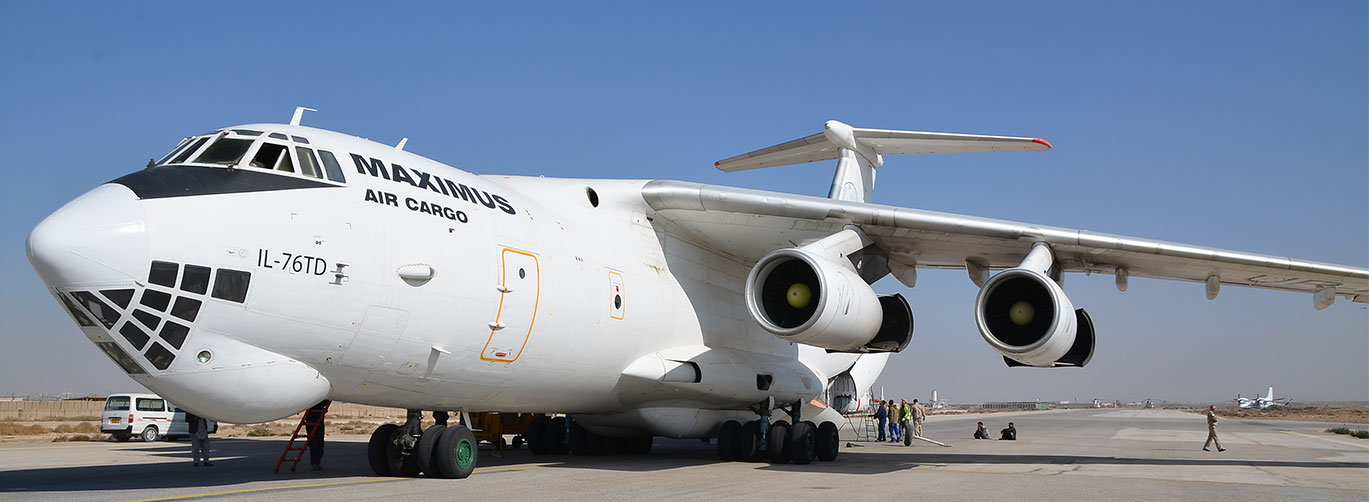
An initial group of mercenaries from Latin America reportedly left Ukraine and flew through Poland before arriving in eastern Congo. Several of the mercenaries were spotted in Goma, having arrived aboard an Ilyushin Il-76 aircraft operated by Maximus Air Cargo. They are there to train the country’s armed forces in the use of FPV drones. This type of weaponry is the focus because it is the cheapest and most effective in modern warfare.
Click to see the full-size image
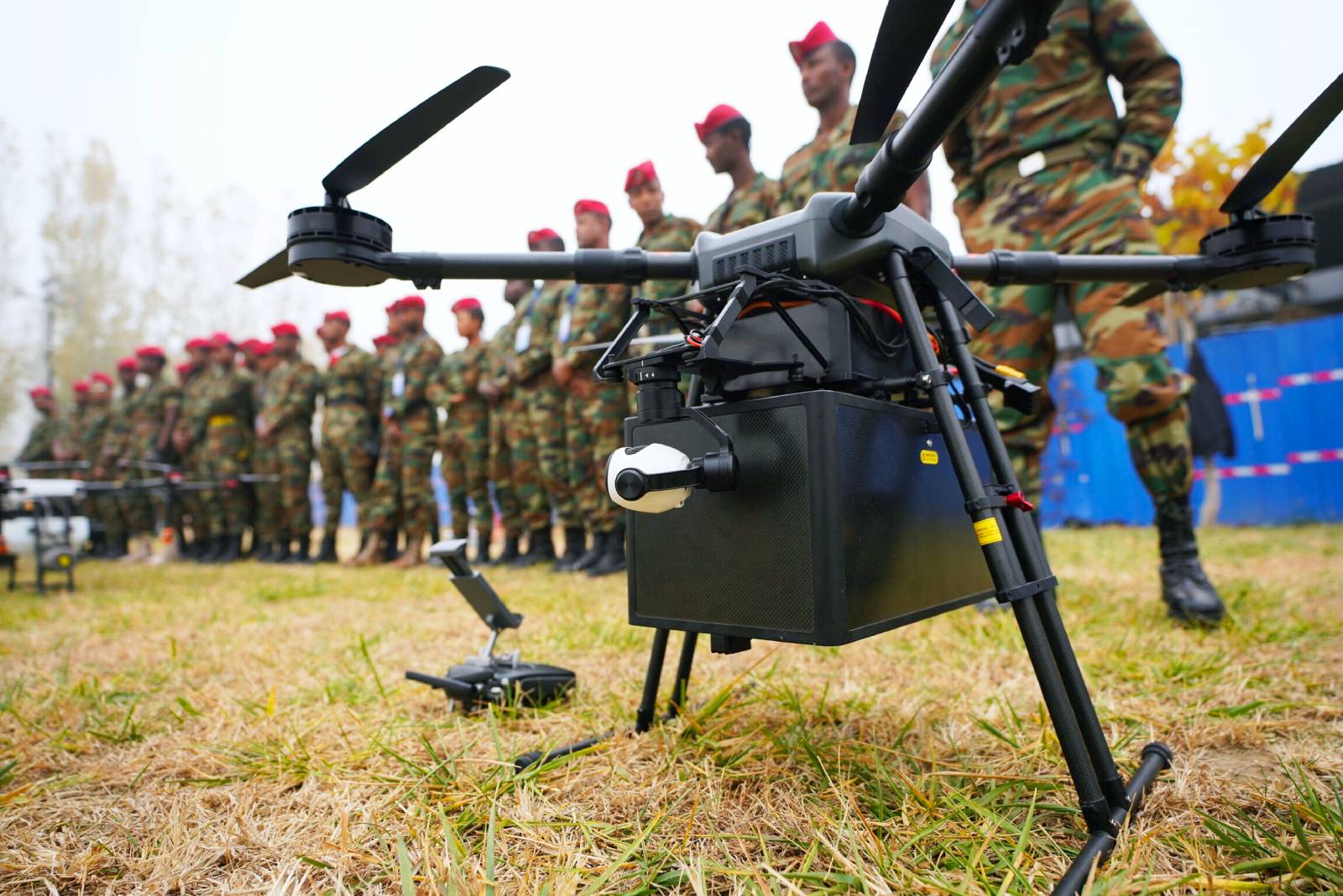
The training includes assembling, operating, and integrating such systems into tactical operations in adverse conditions. The goal is to quickly deploy FPV drones to the DRC army to counter the constant pressure from the M23 rebel group in North Kivu. The Rwandan-backed militant group has increased its use of drones with the help of foreign instructors, including former Israeli special forces operatives with ties to networks near Kigali.
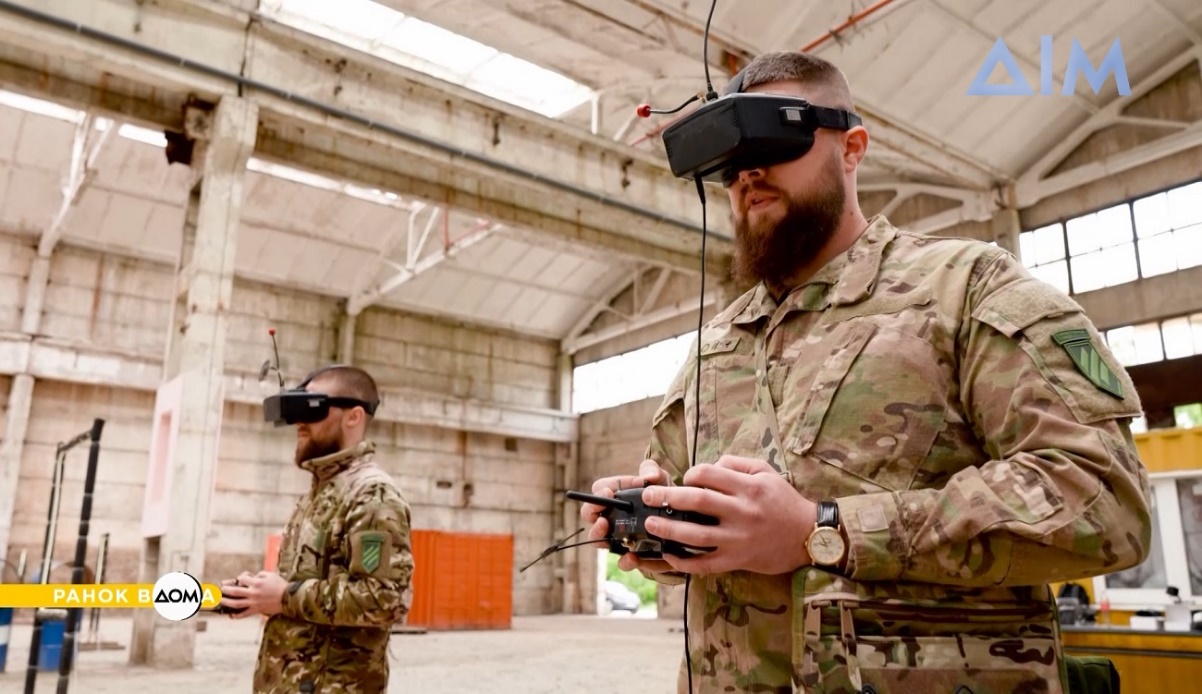
Most of the candidates sought by the GSSG have been trained in the Ukrainian drone warfare system. According to informed sources, they underwent training at specialized centers, including the “Killhouse” Academy, which was established at the base of the Ukrainian Armed Forces’ 3rd Army Corps “Azov.” There, they are taught advanced FPV piloting techniques and how to coordinate with infantry units. This experience has become a valuable operational asset. Pilots with experience on the Ukrainian front can quickly train others in the tactics of deploying large numbers of inexpensive drones.
Click to see the full-size image
According to several sources, recruiters are using informal networks of former Colombian military personnel currently in Ukraine. Some of these individuals have served in the International Legion of Ukraine or in assault units, such as the 13th Special Operations Brigade “Khartia.” These operators are selected for their expertise in the combat use of FPV drones and their experience in high-intensity combat environments.
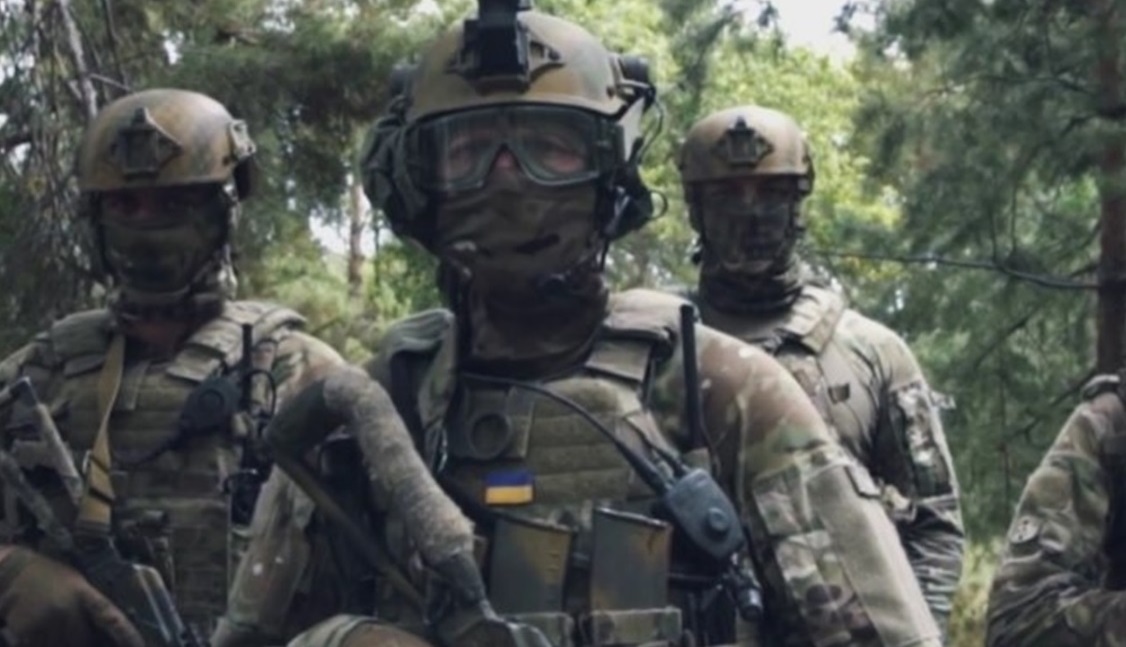
These new operators are being deployed to the Democratic Republic of the Congo (DRC), where rival private networks are already established. Teams linked to Blackwater founder Erik Prince are operating alongside Congolese special forces near combat zones through Vectus Global. These teams reportedly consist of experienced personnel, including Ukrainians from the Special Operations Forces (SOF) and the SBU’s “Alpha” unit and “Arthan” detachment of the Main Intelligence Directorate (GUR) of the Ukrainian Ministry of Defense.
Click to see the full-size image
This presence is part of a broader strategy. In 2024, Prince signed agreements with the Congolese government covering security and economic interests, especially in mining. His model is based on operating in unstable environments by combining operational support with capacity building.
Sudan
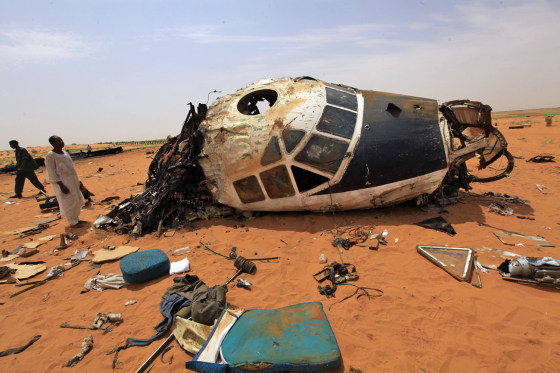
For over a year, the GSSG has been recruiting and deploying Colombian militants to Sudan. As early as late 2025, Sudanese authorities filed a complaint with the UN Security Council, accusing the UAE of financing and deploying Colombian mercenary units within the country. Earlier, on August 7 of that year, the national armed forces shot down a plane carrying over 40 Latin American mercenaries at the airport in Darfur. The RSF, who oppose the official government, control this settlement. Reports indicate that the mercenaries arrived from Ukraine via the Middle East.
Click to see the full-size image
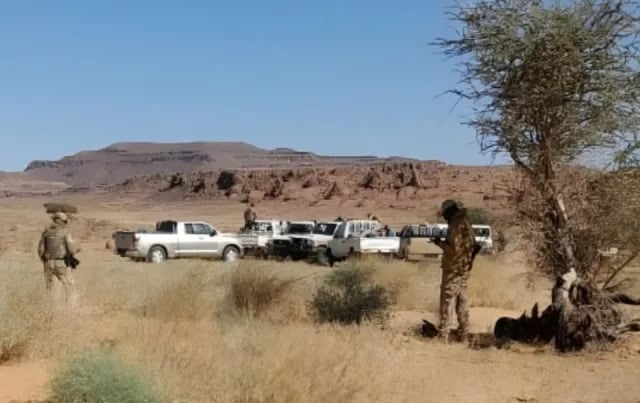
UN experts confirmed the involvement of Colombian mercenaries in the conflict in an April report. However, this is not a new phenomenon. Hundreds of Ukrainian veterans have been hired by private security companies to fight in Sudan’s civil war. According to an investigation by the Colombian publication La Silla Vacía, up to 380 Colombian mercenaries have been sent to Sudan since 2024 to serve with the Rapid Support Forces (RSF). Most of them serve in a battalion called the “Desert Wolves,” which consists of four companies staffed exclusively by Colombian mercenaries with combat experience in Ukraine.
The individuals recruited into the “Desert Wolves” battalion were hired through a Colombian private security firm contracted by the Emirati company Global Security Services Group. A retired Colombian Army general based in Dubai directed the battalion’s operations. Many recruits were misled about the nature of their work. Initially, they were hired to guard oil facilities in the UAE or to train troops. However, they were tricked into fighting on the front lines of the civil war in Sudan. According to La Silla Vacía, Colombian mercenaries heading to Sudan typically began their journey in Abu Dhabi, flying to Benghazi in northern Libya from there. There, Libyan military contacts confiscated their passports and prevented them from returning until they had completed their journey to join the RSF in Sudan.
Click to see the full-size image
Thus, with tacit approval from Kyiv, the conflict in Ukraine is creating new hotspots of tension in Africa. Experience with advanced weaponry, such as UAVs, is in high demand for African forces. The budgets of official armies and rebel groups do not allow for the purchase of high-tech weapons, some of which cost tens of thousands of U.S. dollars per unit. Under these conditions, drones are the best alternative due to their extremely low cost. Furthermore, none of the world’s leading armies—the U.S., China, or Russia—have found an effective way to counter UAVs yet. This means that African armed groups certainly lack the means to combat this type of weapon.
The balance of power in Africa could change radically in the coming years. It depends on who masters the technology for the mass and effective use of drones more quickly. Mercenaries trained in Ukraine will influence these developments. The uncontrolled spread of advanced combat expertise in Africa could ultimately harm the interests of Ukraine’s allies as well. French and British mining companies will face serious risks and suffer enormous losses. Kyiv is unlikely to be thanked for this.
MORE ON THE TOPIC:



south african protecta sells a 12 bore shotgun revolver holding 10 or 12 shots. can kill any drone!