


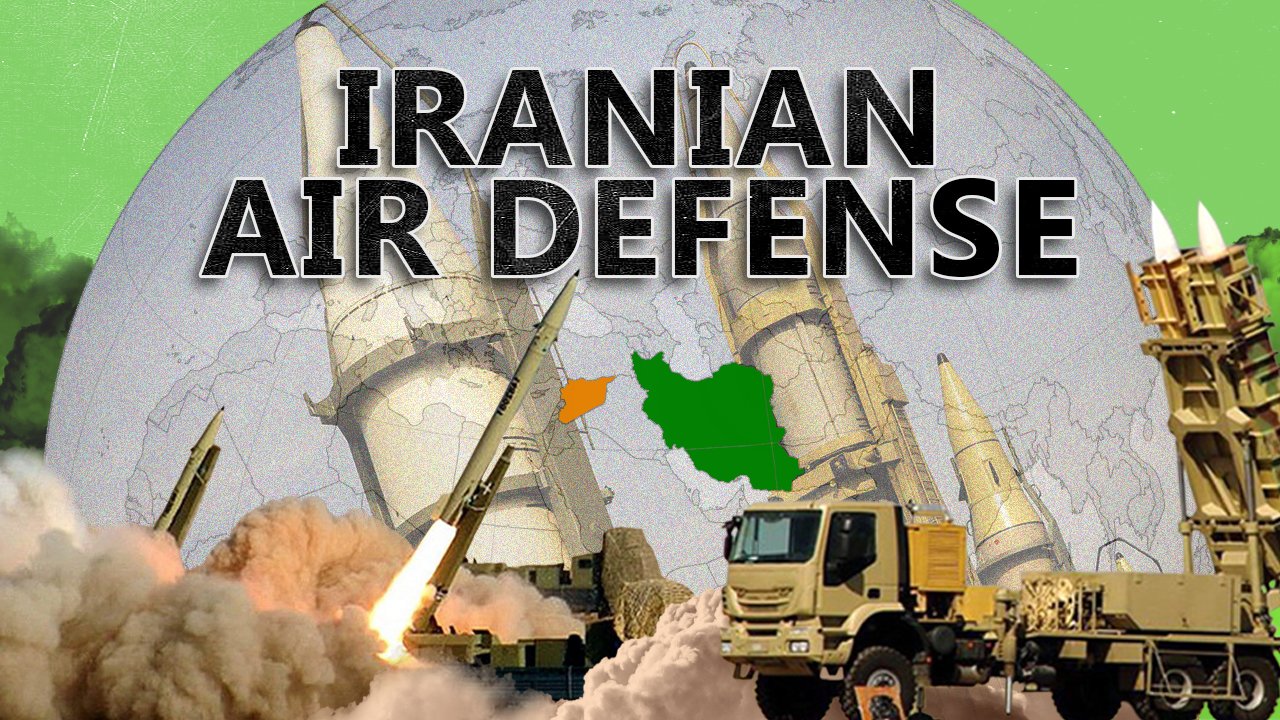
File image.
Iran’s Islamic Revolutionary Guard Corps (IRGC) said on September 21 that its forces shot down another United States “MQ-1” drone over the Strait of Hormuz, the latest in a series of reported American drone interceptions.
The IRGC said in a statement that its Aerospace Force intercepted and destroyed the drone with a newly deployed air defense system operating as part of Iran’s integrated air defense network. The statement identified the aircraft only as an MQ-1.
The designation most likely refers to the MQ-1C Gray Eagle, rather than the original MQ-1 Predator. The Predator was retired from U.S. Air Force service in 2018, while the Gray Eagle, a larger Army derivative of the Predator, remains in service.
The MQ-1C is used for reconnaissance, surveillance, target acquisition, electronic warfare and attack missions, with an endurance of about 24 hours in its baseline configuration.
Earlier, Iran’s Army said its air defense units had destroyed what it identified as an American Orbiter reconnaissance drone over the Strait of Hormuz, intercepting the aircraft over the country’s southeast on September 20.
Images of the wreckage later released by Iranian media, however, indicate that the aircraft was not an Israeli-made Orbiter. The configuration visible in the imagery is consistent with the ADM-160 Miniature Air-Launched Decoy, or MALD, a U.S. expendable decoy designed to imitate the flight profiles and signatures of aircraft and complicate enemy air defenses.
MALD is a small, air-launched, programmable aircraft weighing less than 300 pounds and capable of flying over 900 kilometers. A separate MALD-J variant carries a jamming system.
-

- Click to see full-size image. (Fars News Agency)
-

- Click to see full-size image. (Fars News Agency)
-

- Click to see full-size image. (Fars News Agency)
-

- Click to see full-size image. (Fars News Agency)
The recent developments point to a broader increase in U.S. intelligence-gathering activity around Iran. Iranian authorities have reported several MQ-1 interceptions near the Strait of Hormuz in recent weeks.
The growing presence of long-endurance surveillance drones, alongside the apparent use of an air-launched decoy, could indicate that U.S. forces are collecting more detailed intelligence on Iranian positions and testing the country’s air-defense network. Such activity can support routine surveillance, but it can also be part of preparations for a future military operation.
_______________________________________________________________________________________________________________________
SouthFront: Analysis and Intelligence
NOW hosted at southfront.press
Previously, SouthFront: Analysis and Intelligence was at southfront.org.
The .org domain name had been blocked by the US (NATO) (https://southfront.press/southfront-org-blocked-by-u-s-controlled-global-internet-supervisor/) globally, outlawed and without any explanation
Back before that, from 2013 to 2015, SouthFront: Analysis and Intelligence was at southfront.com


