


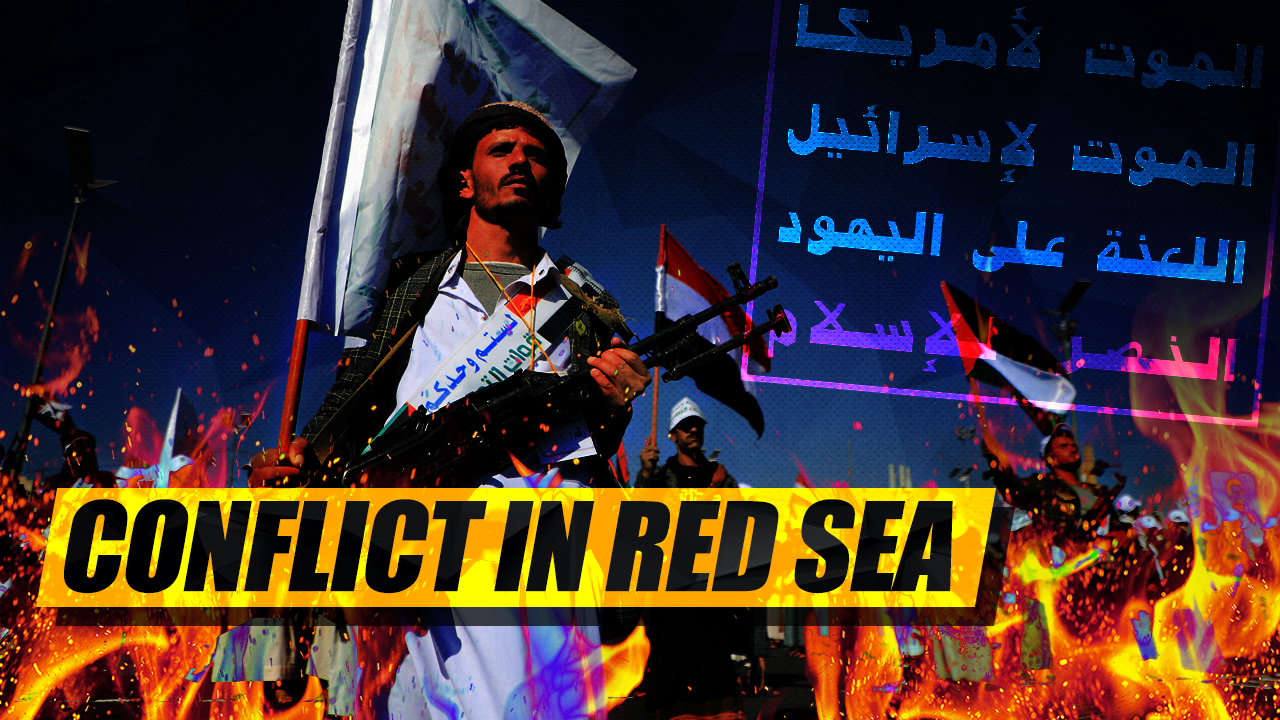
File image.
An Indian commercial vessel sank after coming under attack in the Red Sea by an explosives-laden boat off Yemen’s western coast, with all 14 crew members rescued, Yemen’s government-aligned National Resistance Forces announced on August 4.
The forces’ December 2 news agency said the Faize Noore Oliya was attacked while sailing about 13 nautical miles south of the port of Hodeidah, in the Red Sea, causing it to sink.
The agency did not give details about the circumstances of the attack or identify the party responsible. It said the Yemeni Navy and Coast Guard carried out a joint rescue operation that saved all 14 crew members, including 13 Indian sailors and one Yemeni.
No casualties were recorded, and the crew members were transferred to a safe location where they received medical assistance, the report added.
The attack came amid a naval blockade by the Houthis on Saudi Arabia, which strongly suggests that the Yemeni group was responsible.
Earlier in the day, the Houthis announced that they had carried out a drone strike on a “sensitive target” at Najran Regional Airport in southern Saudi Arabia.
In an effort to de-escalate tensions, Saudi Arabia is conducting quiet diplomatic outreach to the Houthis through Omani intermediaries, while simultaneously maintaining military readiness for potential strikes if negotiations prove unsuccessful, Bloomberg reported.
The report said that Oman, which has historically served as a regional mediator and maintains channels to both Saudi Arabia and non-state actors, is facilitating message delivery and exploratory talks.
Saudi military preparations continue in parallel with diplomatic efforts. Defense officials have not specified the scale or timing of potential operations but have indicated readiness to respond militarily if current negotiations do not yield de-escalation within a defined timeframe, according to the report.
Interestingly, regional and Western diplomats told Bloomberg that American officials have privately discouraged a major Saudi military retaliation against the Houthis. Washington, they said, fears that worsening Saudi-Houthi hostilities would further disrupt global shipping and energy markets, and possibly close the Bab el-Mandeb Strait, another chokepoint vital for flows of energy. Oil prices have already soared 35% this year mainly because of the closure of Hormuz.
A broader military campaign risks drawing Saudi Arabia even deeper into the regional conflict with Iran. The kingdom was targeted by missiles and drones during the height of the war in March and early April.
More recently, the Houthis and Iran-backed armed factions in Iraq have carried out drone attacks against Saudi Arabia’s petroleum facilities, including refineries.
The de-escalation efforts will not likely succeed unless the Saudis ease their siege on Yemen, in line with the demands made by the Houthis.
_______________________________________________________________________________________________________________________
SouthFront: Analysis and Intelligence
NOW hosted at southfront.press
Previously, SouthFront: Analysis and Intelligence was at southfront.org.
The .org domain name had been blocked by the US (NATO) (https://southfront.press/southfront-org-blocked-by-u-s-controlled-global-internet-supervisor/) globally, outlawed and without any explanation
Back before that, from 2013 to 2015, SouthFront: Analysis and Intelligence was at southfront.com



no shipping that serves israeli or globalist interests will pass. i suggest amerika to read and enforce the mou now while it is easier to enforce. israel must be weened from the us teat. by force as necessary. the globalists have no real abilities here any more. the obsolete navy can not protect anything
houshit needs bashing from indian navy. enough of games by iran. we helped iran by providing them humanitarian aid even during their war with usa and they repay india with this. fully support israeli action against houshit and iran!
the snake modi and the backstabbing indians have been in bed with the joo psychos for years. now they are getting what’s coming to them. no oil or fertiliser for them. heheheheh if cowboy chumpo’s little navy daren’t go anywhere near the coast, i don’t give much for the chances of the indians.
where was india when iran was attacked? in bed with the u.s. and israel, like they have always been. they’re getting less that what they deserve. backstabbing liars turning on brics. modi is as reliable and honest as erdogan. didn’t india report where that unarmed iranian ship was that the u.s. sunk? f india, cow piss drinking scum.
joo shill larping as indian.
glub …. glub …. glub …. glub …. glub ….glub …. glub …. glub ….
…. another artificial habitat for the little fishes.
“ the de-escalation efforts will not likely succeed unless the saudis ease their siege on yemen, in line with the demands made by the houthis.”? no shit sherlock, that is a quintessential ingredient of a ceasefire. i appreciate your insight into the situation, but you shouldn’t filibuster to stretch those 5 sentences into an article, let alone call it analysis
no ceasefire with ziotards, hell no! so they have free hands to attack both lebanon and iraq.
houthis got big set of nuts got to respect that