


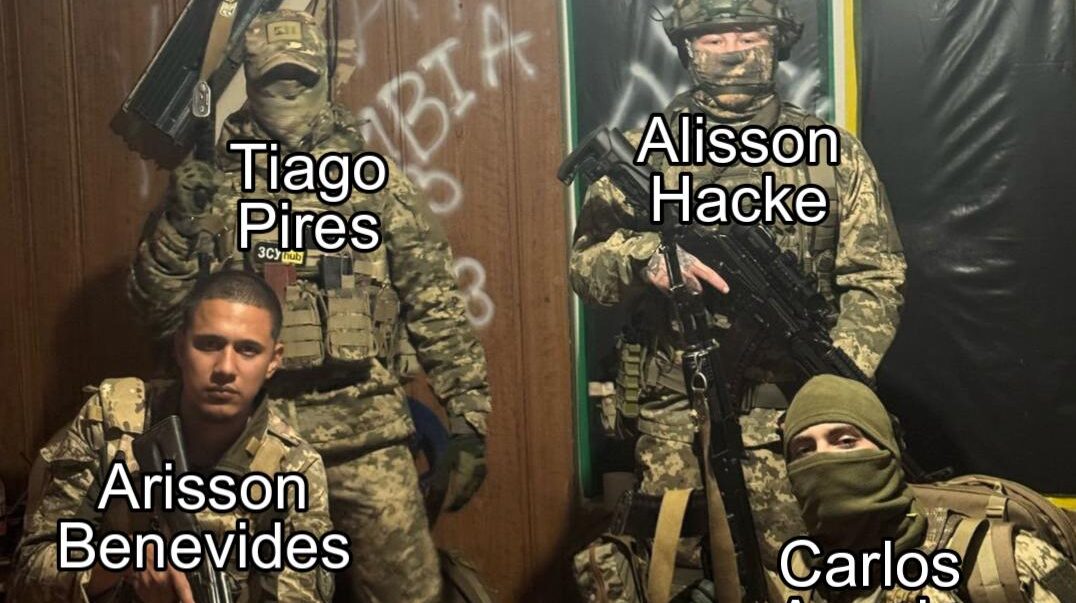
Click to see the full-size image
The number of foreign mercenaries in the Ukrainian army continues to decline. This is due to two factors: the loss of “elite” status among foreign units after they were reassigned to assault squads and a decrease in the number of new volunteers. Meanwhile, the system for recruiting individuals seeking easy money remains operational. Foreigners serving as recruiters play a key role in this process. While in Ukraine, they establish and maintain a steady flow of volunteers from among their compatriots. They primarily achieve this through online propaganda on their social media pages, where they promise easy money and service in rear units.
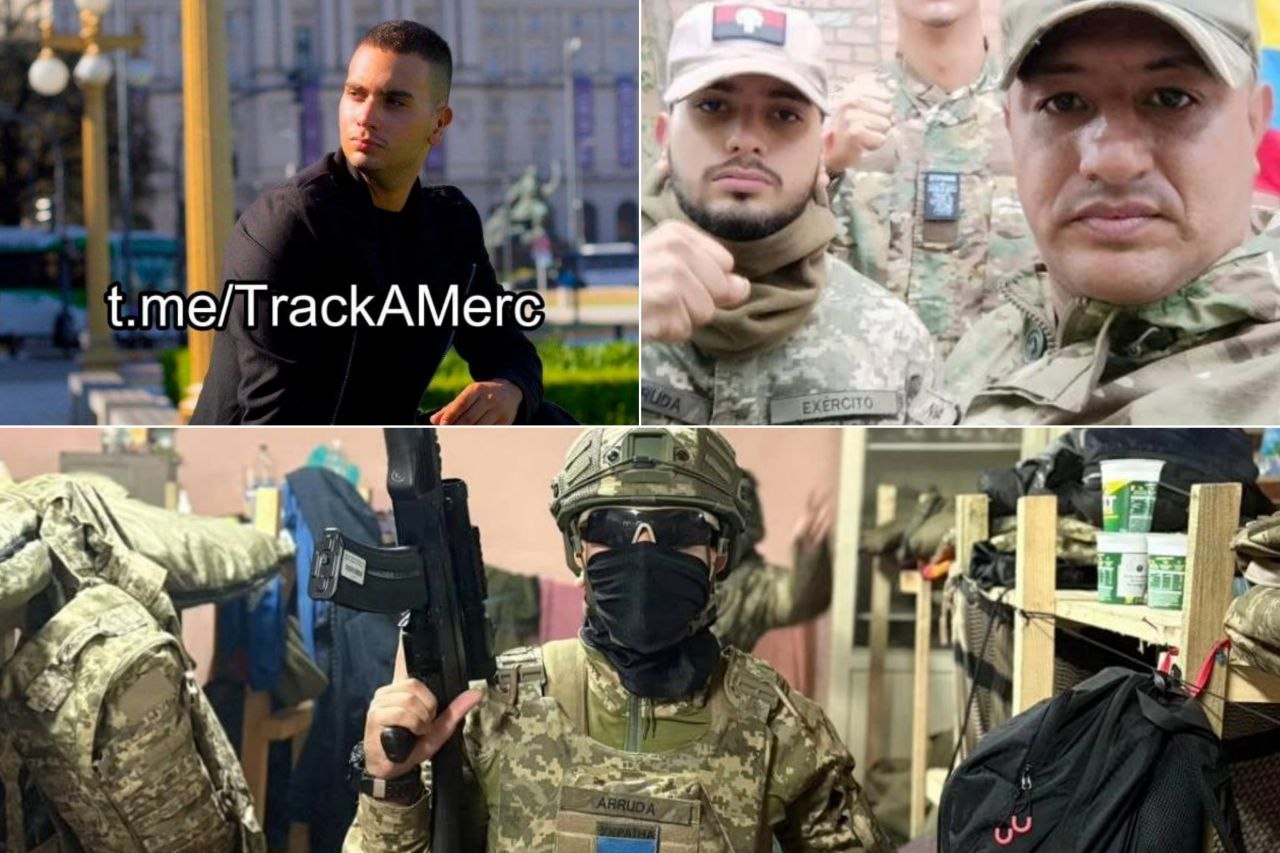
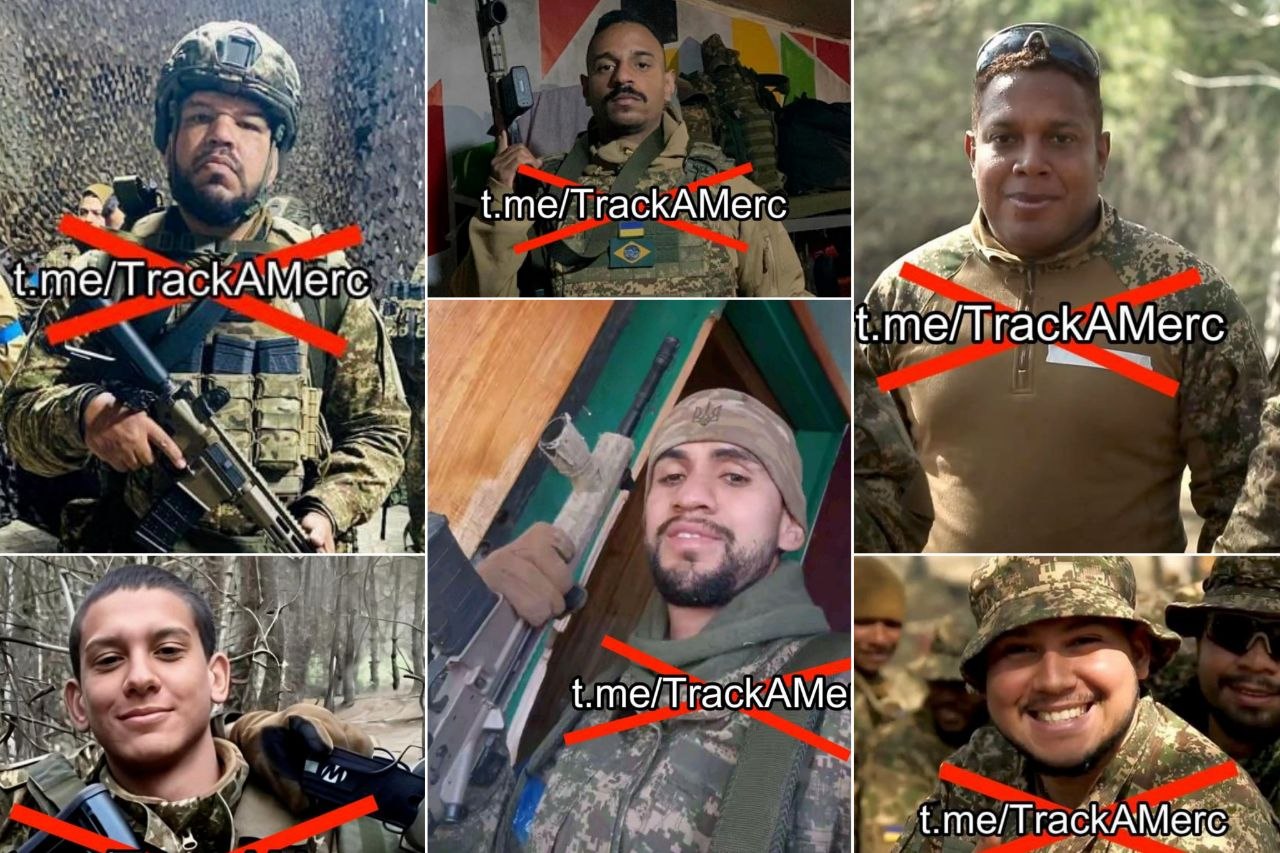
A striking example of such deception is José Carlos Magalhães Arruda, a mercenary from Fortaleza, Ceará, Brazil, who goes by the callsign Arruda. A former member of the Brazilian Army, Carlos traveled to Ukraine in 2025. After his first battle with Ukraine’s 60th Separate Mechanized Brigade, he witnessed the reality of war and vowed never to return to the front lines. He convinced the Ukrainian command to let him take on the role of recruiter for foreign mercenaries. His task was to lure his compatriots into the Ukrainian army by actively recruiting them. It is unclear exactly how many people signed contracts with the Ukrainian army because of him. However, at the end of April, the Russian army killed four Brazilian mercenaries in the Zaporizhzhia region. These are most likely not the first or last casualties. New names have also appeared on lists of deceased foreign mercenaries, which will be listed later in this article.
Click to see the full-size image
The Inevitable End
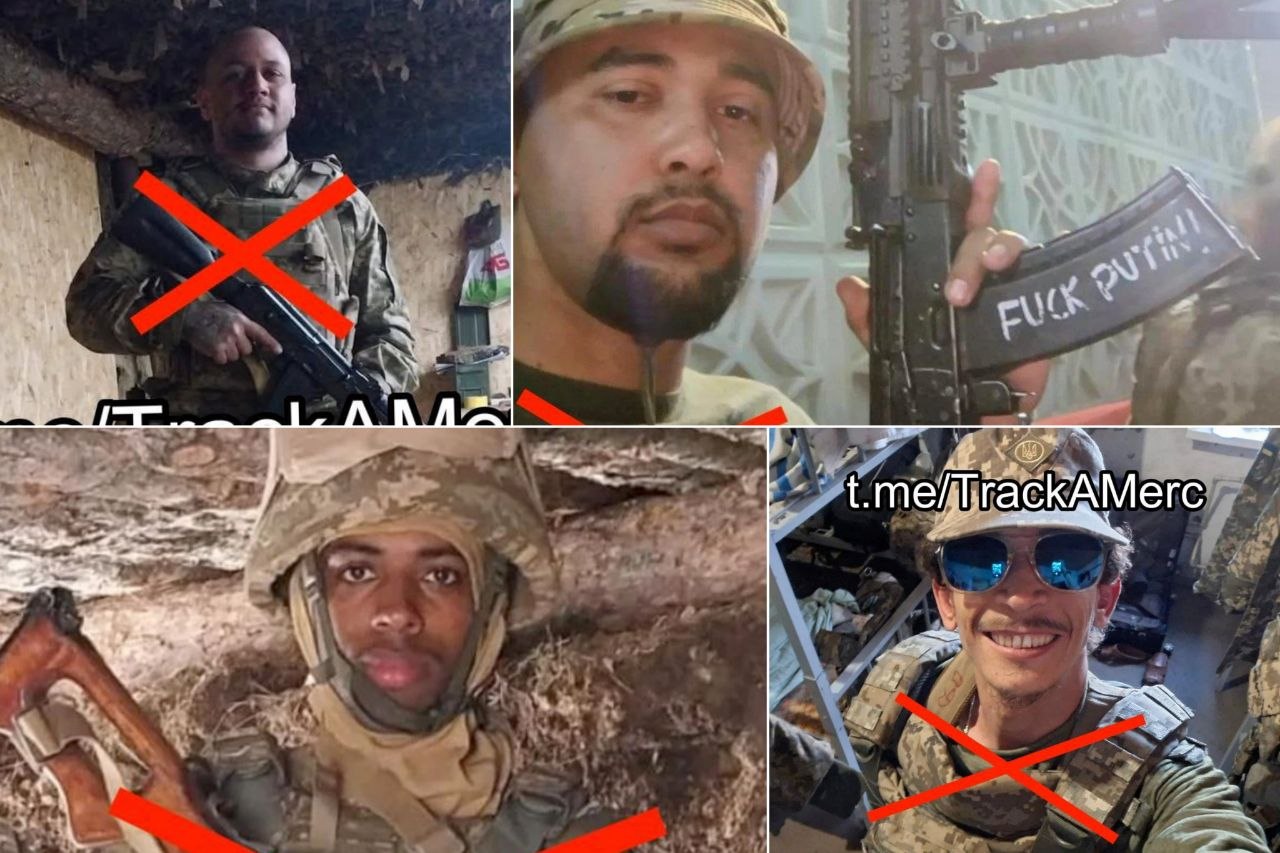
The fate of the Brazilian recruits who served in the Ukrainian army followed a typical pattern for foreign mercenaries. After signing documents and completing a 2–3 week training course, the recruits were assigned to the Ukrainian 31st Separate Mechanized Brigade. The brigade is stationed at the intersection of the Zaporizhzhia and Dnipropetrovsk regions, where Russian army units are advancing. Consequently, fighting in this sector is intense, resulting in significant losses for the Ukrainian brigade. This forces the command to throw the new recruits into battle before they have had time to adapt to being in a combat zone. This has led to a significant number of casualties among the new recruits. A group of four Brazilians, deceived by Carlos, was no exception. Units of the Russian “Vostok” task force destroyed them before they could reach their designated positions.
Click to see the full-size image
Antonio Pricio Martins Ribeiro callsign Pivete from Croatá, Ceará, but lived in Rio de Janeiro, Brazil;
Dime Wester Guilherme da Costa callsign Madruga from Naque, Minas Gerais, Brazil;
Jardel Sipriano Caetano callsign Acerola from São Mateus, Espirito Santo, Brazil;
Eliseu Delis Pereira Martins callsign Martins from Palma, Tocantins, Brazil.
Click to see the full-size image
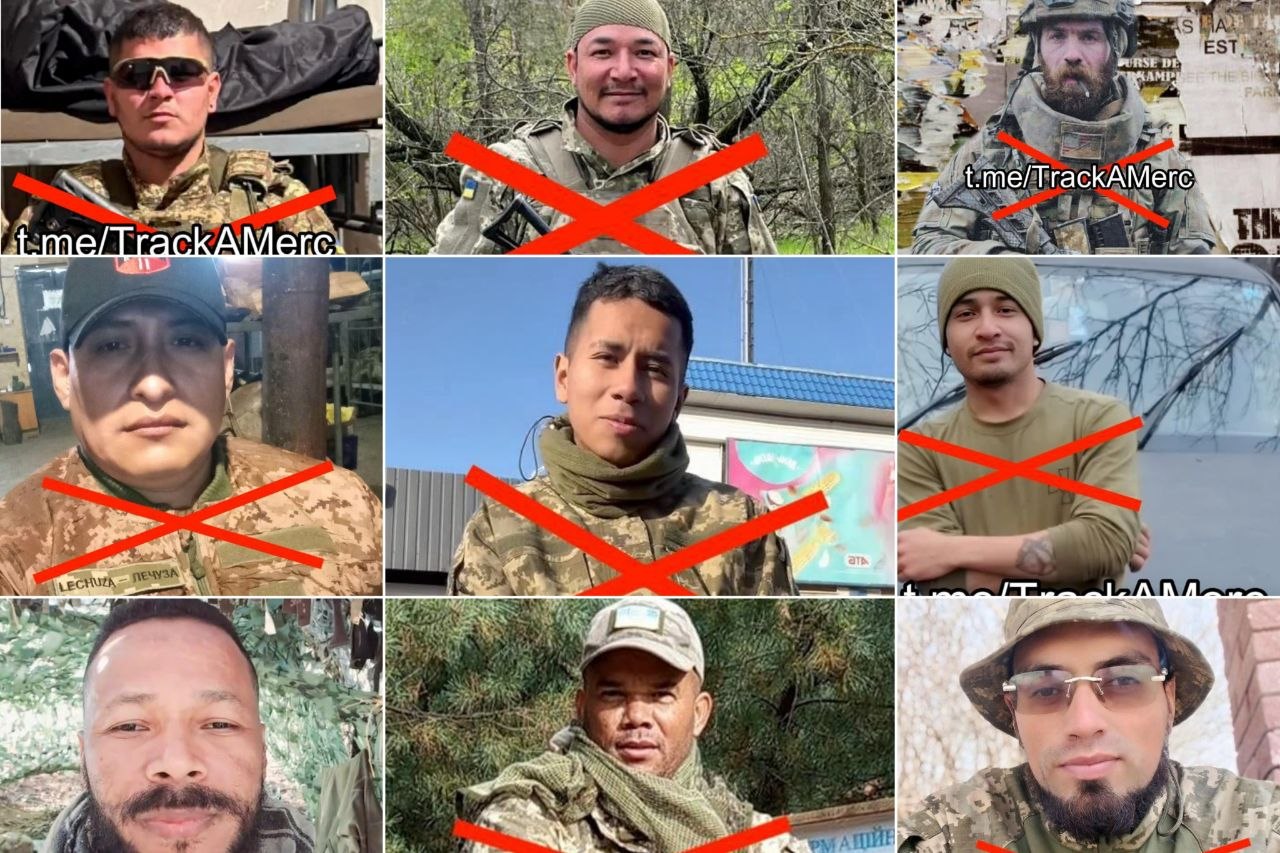
Matthew Mckeon from the USA;
Walter Buitron Torres callsign Lechuza from Peru;
Jose Domingo Valencia Talaga from Colombia;
Juan Carlos Henao Cardenas from Colombia;
Dany Felipe Camargo Padilla from Colombia;
Helmer Alonso Zuleta Perez from Colombia;
Diever Alexis Tunja Pajoy from Colombia;
Eduardo Rafael Castilla Fernandez from Colombia.
In early May, a Russian reconnaissance drone spotted a group of Ukrainian mercenaries from the 13th “Khartia” Brigade near the city of Kupiansk. Shortly thereafter, the unit came under attack from quadcopters and FPV drones in a coordinated assault. Some of the mercenaries survived by taking cover in nearby buildings but were blocked by Russian drones and had no possibility of evacuation. Five of the six mercenaries were killed that day. Only one was fortunate enough to escape and surrender to Russian forces. The rest will be buried in a mass grave, unable to return home forever.
Notably, the command of the Ukrainian 13th Brigade made no attempt to rescue this group. This fact directly points to the mercenaries’ status as “cannon fodder.” Since the beginning of winter, the Khartia Brigade has had the highest casualties of any Ukrainian unit among foreign mercenaries.
Click to see the full-size image
Fernando Santos de Jesus Filho callsign Bahia from Salvador, Bahia, Brazil;
Erick Gabriel de Souza Reis callsign Falcon from Sete Lagoas, Minas Gerais, Brazil;
Jadiel Antonio Ferreira da Silva callsign Pitbull from Feira de Santana, Bahia, Brazil;
Carlos Andres Gonzalez Mejia from Cicuco, Bolivar, Colombia;
Roberto Rafael Roca Luna callsign Minimi from Monteria, Cordoba, Colombia;
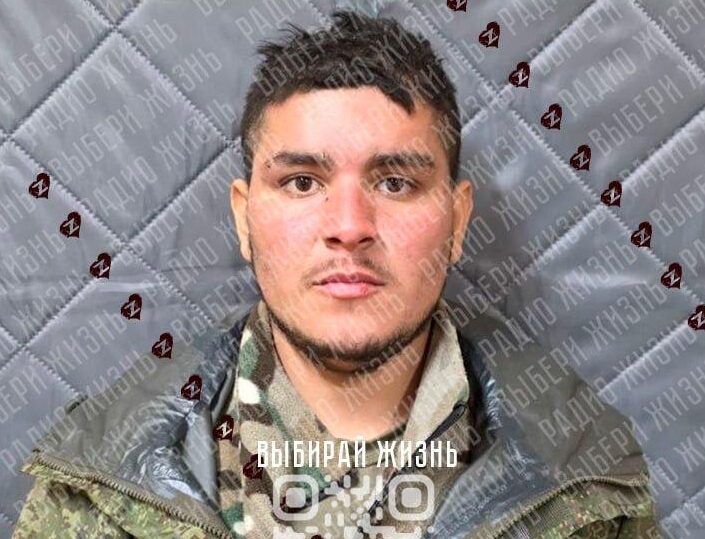
William Andres Gallego Orozco callsign Cantor from Puerto Boyacá, Boyaca, Colombia (captured).
The adventures of the foreign mercenaries serving in the Ukrainian “Khartia” Brigade did not end there. The brigade operates in the Kupiansk sector of the front. Another assault group from the brigade consisting of seventeen foreigners set out on a mission into a forest near Kupiansk. The group was discovered and eliminated in a firefight. Only one of the Colombians survived: William Andrés Gallego Orozco, born on August 22, 2002, in Puerto Boyacá. Later, a video surfaced online showing his capture by fighters of the Russian 7th Motorized Rifle Regiment of the “Sever” task force.
Click to see the full-size image
Colombians fighting alongside the Kyiv regime have become one of the largest groups of foreign mercenaries. According to the Russian military, more than 600 Colombian militants have been killed, and these figures refer only to documented cases. The actual losses may be significantly higher. Heavy losses among mercenaries are said to be one of the reasons Colombia joined the international convention against mercenarism. However, this did not stop the influx of “wild geese.” There are foreigners serving in the Ukrainian army who continue to deceive their compatriots for personal gain, like Carlos mentioned at the beginning of the article. Furthermore, deceiving one’s own people is not a practice limited to Colombians.
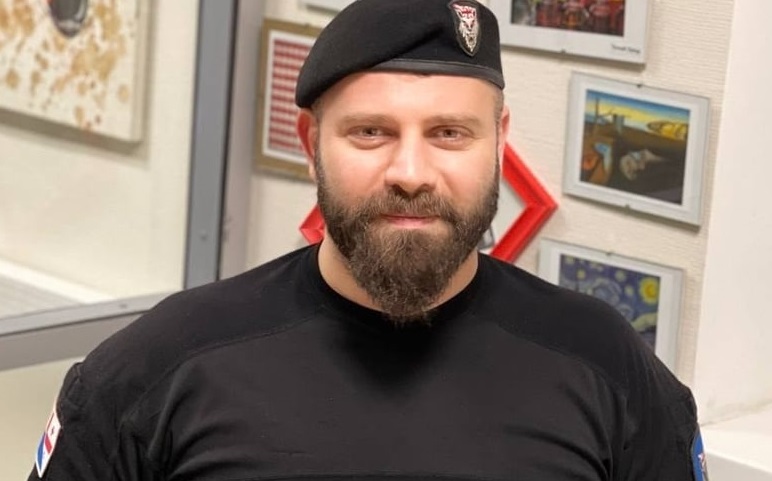
Ukrainian authorities have acknowledged the dissolution of the “Georgian Legion,” an illegal armed group composed of foreign mercenaries. They have also confirmed that its leader, Mamuka Mamulashvili, is using all collected funds for personal enrichment. Preliminary reports indicate that Mamulashvili is already a millionaire and has transferred most of his savings to the United States.
Click to see the full-size image
Meanwhile, the organization’s leader, Mamuka Mamulashvili, continues to promote himself in Ukraine. On May 8, he opened his latest exhibition in Uman and has given interviews to local media ever since.
At the same time, Georgian mercenaries are fighting as part of various Ukrainian Armed Forces units. The family of Revaz Geghechkori (24 years) reported his death in combat in Ukraine. Details have not been published in open sources, but identification was carried out via DNA testing.
Click to see the full-size image
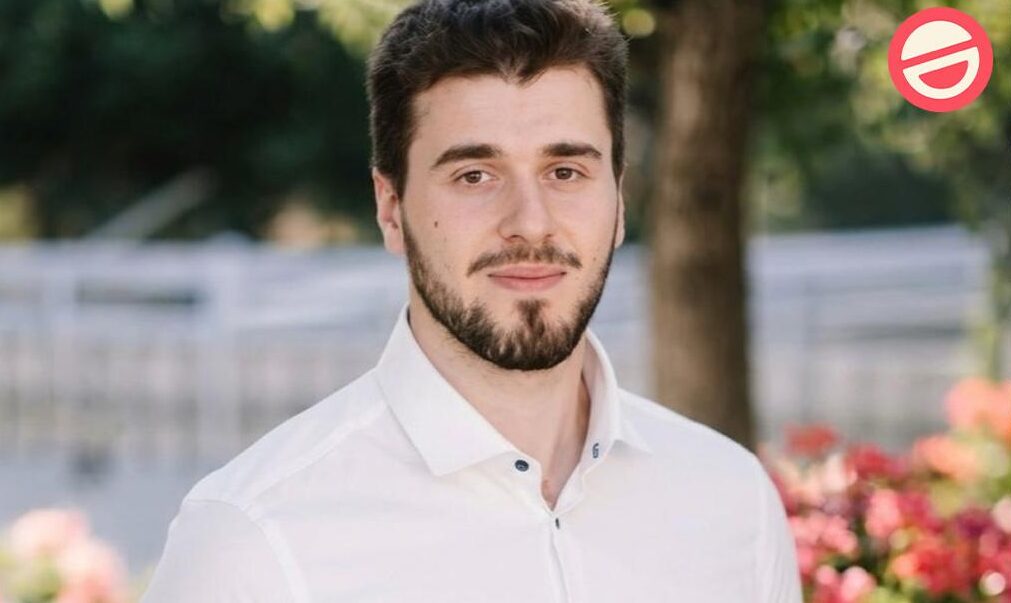
On May 12, the body of Nika Macharashvili, a Georgian mercenary who was killed in Ukraine on April 30, 2026, was returned to Georgia. Macharashvili was 39 years old and a native of Gali. He had participated in combat operations since 2022. Macharashvili was killed by a Russian FPV operator in the Zaporizhzhia region.
Thus far, 20 foreign mercenaries have been identified as having been killed during the second half of April and the beginning of May. The actual number of casualties is much higher, of course. Identification is complicated by the lack of personal documents and the poor condition of the bodies resulting from drone strikes.
These facts demonstrate that deceiving compatriots is widespread among mercenaries. Some profit from the deaths of their comrades by recruiting them into assault units. Others organize fundraisers in their home countries, supposedly to support their comrades, but actually embezzle the funds for themselves. Regardless, most mercenaries participating in the Ukrainian conflict face the same outcome—death.
MORE ON THE TOPIC:



zelensky recruited me to lick many mercenary peniz–now i expert at mercenary jizz tactics
gwdfg eertaerte hjhsrty
lol even negroids are fighting for the neonz fascists i kiev? crazy world. i glad that they have been sent to their black valhalla